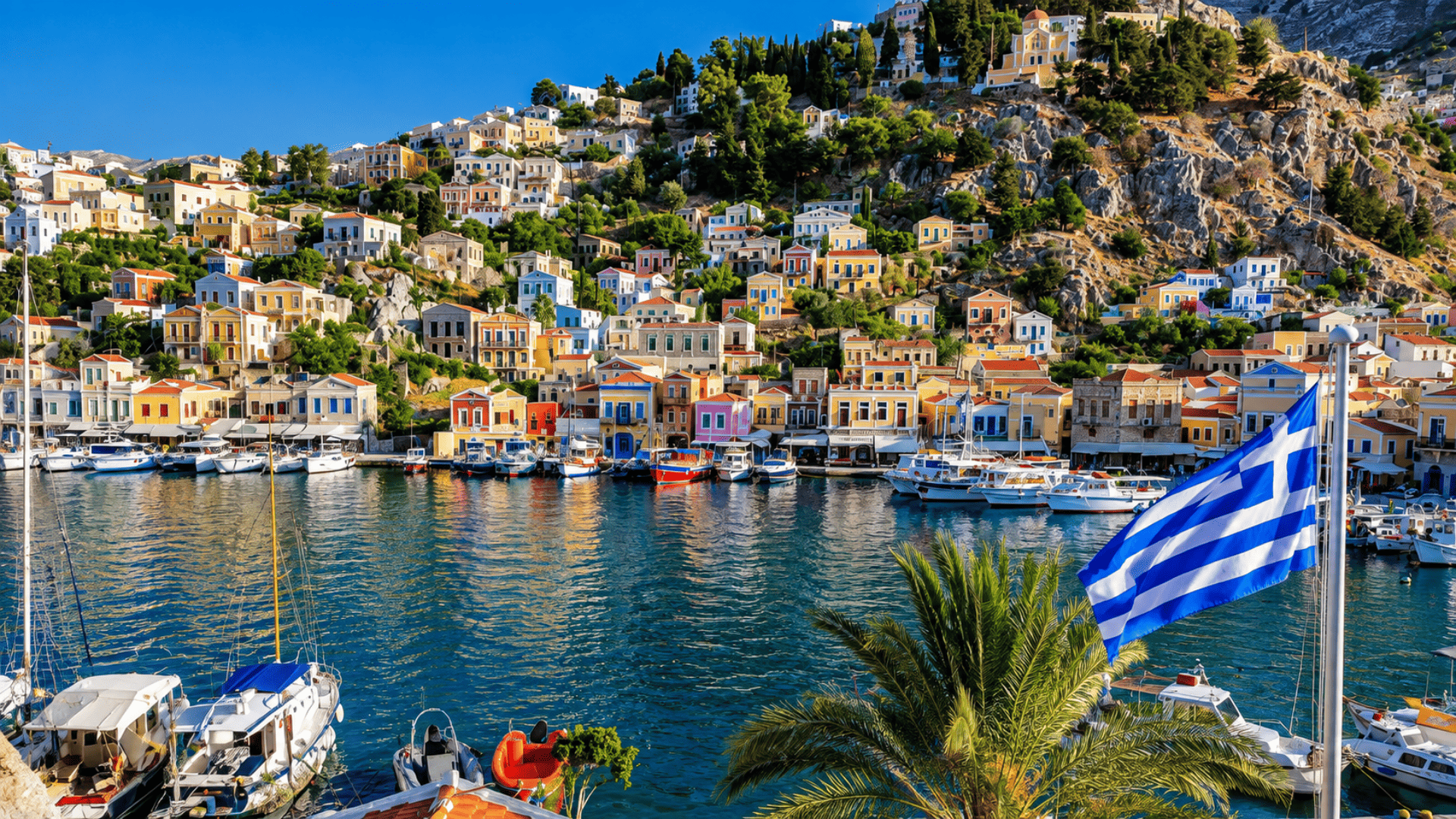
For decades, Portugal has built its national identity around tourism. From Lisbon and Porto to the Algarve, tourism has not only been the country’s global image but also one of its most important economic pillars.
According to data from the World Travel & Tourism Council (WTTC), before the COVID-19 pandemic, tourism contributed approximately 15–17% of Portugal’s GDP, one of the highest shares in Europe. In 2019, the country welcomed more than 27 million international visitors, generating approximately EUR 19–20 billion in direct tourism revenue, excluding the spillover effects on real estate, retail, and services.
For many years, Portugal’s development strategy revolved around a clear focus:
- Optimizing tourism
- Services
- Resort real estate
However, according to a recent analysis by The Portugal News, Portugal is entering an entirely new phase:
The country is no longer competing solely to attract tourists. It is now competing to attract long-term residents, investment capital, and global talent.
From a tourism economy to a residency and investment economy
This transformation did not happen overnight. It is the result of a long-term repositioning strategy that has been evolving over many years.
Where Portugal once focused on:
- Short-term tourists
- Resort real estate
- Hospitality and food services
Its priorities are now shifting toward:
- Attracting long-term foreign residents
- Developing technology and high-value-added industries
- Attracting international businesses and investment funds
According to Eurostat, between 2015 and 2023:
- The number of foreign residents in Portugal surpassed 1 million, representing approximately 10% of the country’s population.
- The number of highly skilled workers from both EU and non-EU countries increased steadily year after year.
- Foreign direct investment (FDI) remained at approximately 3–6% of GDP annually, with increasing investment flowing into technology and high-value services.
An economy being reshaped: from tourism to technology and investment
The most visible transformation lies in how Portugal is allocating its development resources.
1. A booming technology ecosystem
Lisbon is now widely recognized as one of Europe’s emerging technology hubs.
According to Startup Portugal, the number of startups has grown by more than 120% over the past seven years, with more than 4,000 startups currently operating across the country.
Lisbon is also home to the Web Summit, attracting more than 70,000–80,000 participants each year, including thousands of international investors and venture capital funds.
Global companies such as Google, Amazon, Mercedes-Benz, and Siemens have established research and development centers in Portugal, creating tens of thousands of high-quality technology jobs.
2. Significant investment in digital transformation and artificial intelligence
According to the European Commission’s DESI Index:
Portugal ranks among the fastest-improving EU countries in digital public services over the past five years.
More than 80% of core public services have been digitized.
The Portuguese government is investing billions of euros in artificial intelligence, cloud computing, and digital infrastructure through the EU Recovery Fund.
3. Attracting international investment capital
According to the UNCTAD World Investment Report:
Foreign direct investment into Portugal has remained stable at approximately USD 8–12 billion annually in recent years.
The strongest investment sectors include:
- Technology
- Renewable energy (which now accounts for more than 60% of the country’s electricity generation)
- Financial services and investment funds
This demonstrates that Portugal is transitioning from a tourism-driven economy to one led by investment and innovation.

What does this mean for investors?
This structural transformation creates an important effect:
Demand for long-term residency is increasing alongside demand for investment.
As Portugal continues to attract:
- More than 1 million foreign residents
- Tens of thousands of technology professionals
- Entrepreneurs and business leaders from around the world
The real estate market is no longer driven solely by short-term tourism.
Instead, it is increasingly supported by genuine demand for:
- Residential housing
- Long-term rental apartments
- High-quality properties in major urban centers
According to market reports, residential property prices in Lisbon and Porto have increased by an average of 6–10% annually in recent years, reflecting genuine residential demand rather than seasonal tourism.
This has helped make the market:
- More stable
- Less vulnerable to tourism cycles
- Better positioned for long-term growth
Golden Visa remains one of the most important gateways
Alongside Portugal’s economic transformation, the Golden Visa Program continues to play a key role in attracting high-quality international investment.
Today, investors may qualify through:
Investment in a regulated Portuguese investment fund
- Minimum investment: EUR 500,000
- Funds regulated by CMVM (Portuguese Securities Market Commission)
- Typical investment sectors include technology, energy, commercial real estate, and private equity.
Key benefits of the program
1. European residence permit for the entire family
Including spouses, dependent children, and dependent parents.
2. Visa-free travel throughout the Schengen Area
Freedom to travel across 29 European countries without additional visas.
3. A clear pathway to citizenship
Eligible to apply for Portuguese citizenship after maintaining a qualifying investment for five years.
4. Optimizing an international asset strategy
Gain access to a stable, transparent European market undergoing a long-term economic transformation.
Casa Seguro Capital supports investors every step of the way
As Portugal evolves from a tourism-driven economy into a country competing through residency, technology, and international investment, choosing the right investment strategy has become more important than ever.
At Casa Seguro Capital, we support investors by:
- Identifying suitable Golden Visa investment funds
- Assessing long-term opportunities and potential risks
- Designing sustainable European residency strategies tailored to each family’s objectives
In a world where both capital and people are becoming increasingly mobile, the value of an investment is measured not only by its financial return, but also by the country an investor chooses to build a long-term future in.