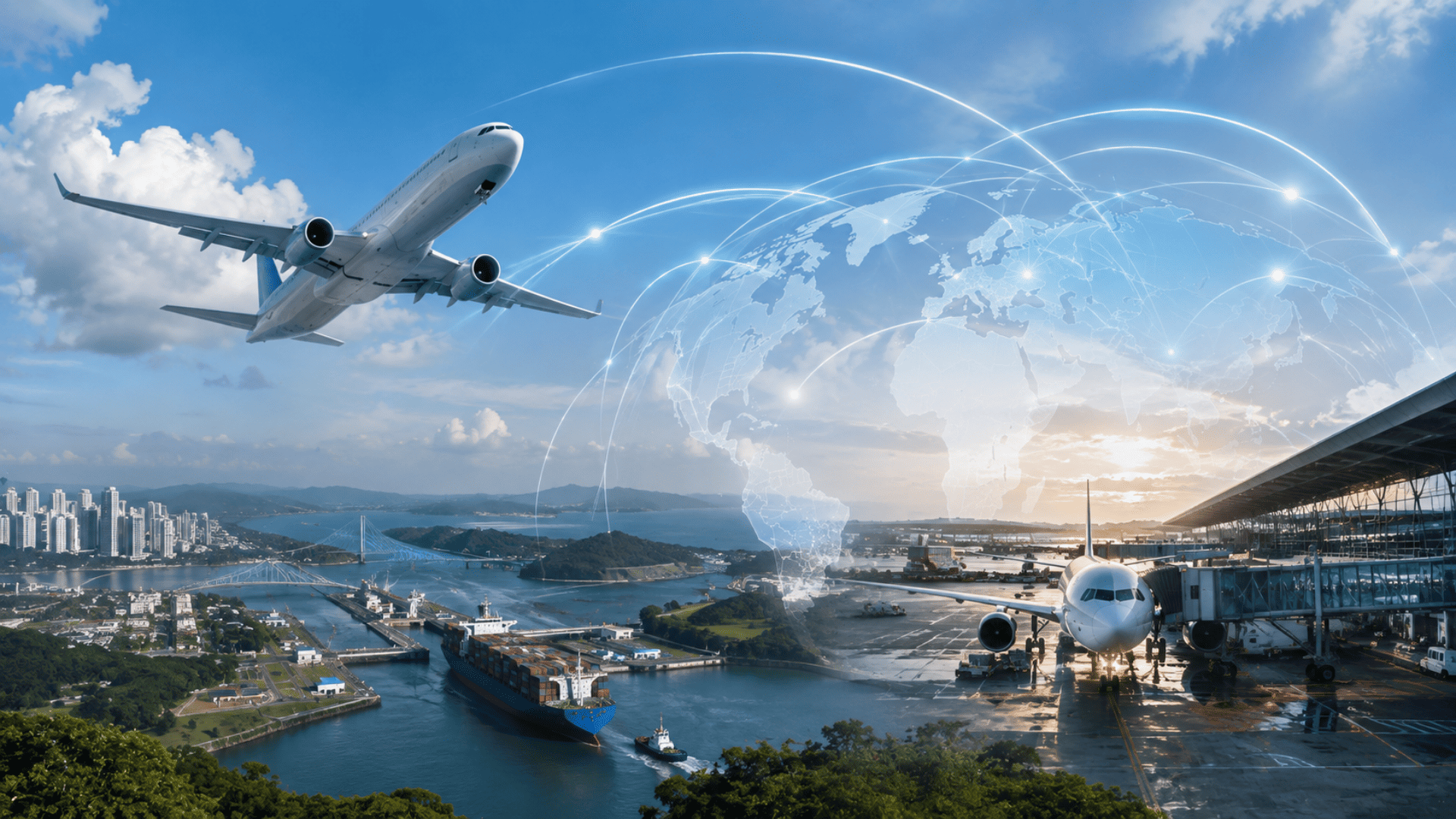
When mentioning Panama, many people immediately think of the Panama Canal, the modern buildings of Panama City, or its position as a financial and logistics hub of Latin America.
But to better understand a country, sometimes we need to look at how its people celebrate, preserve traditions, and connect with the community.
Panama has a rich festival calendar featuring music, art, cuisine, folklore, and community activities taking place across different regions. The Panama Tourism Authority also considers folk festivals an important part of preserving living traditions and creating the country’s distinctive character.
Panama Carnival: One of the most vibrant festival seasons
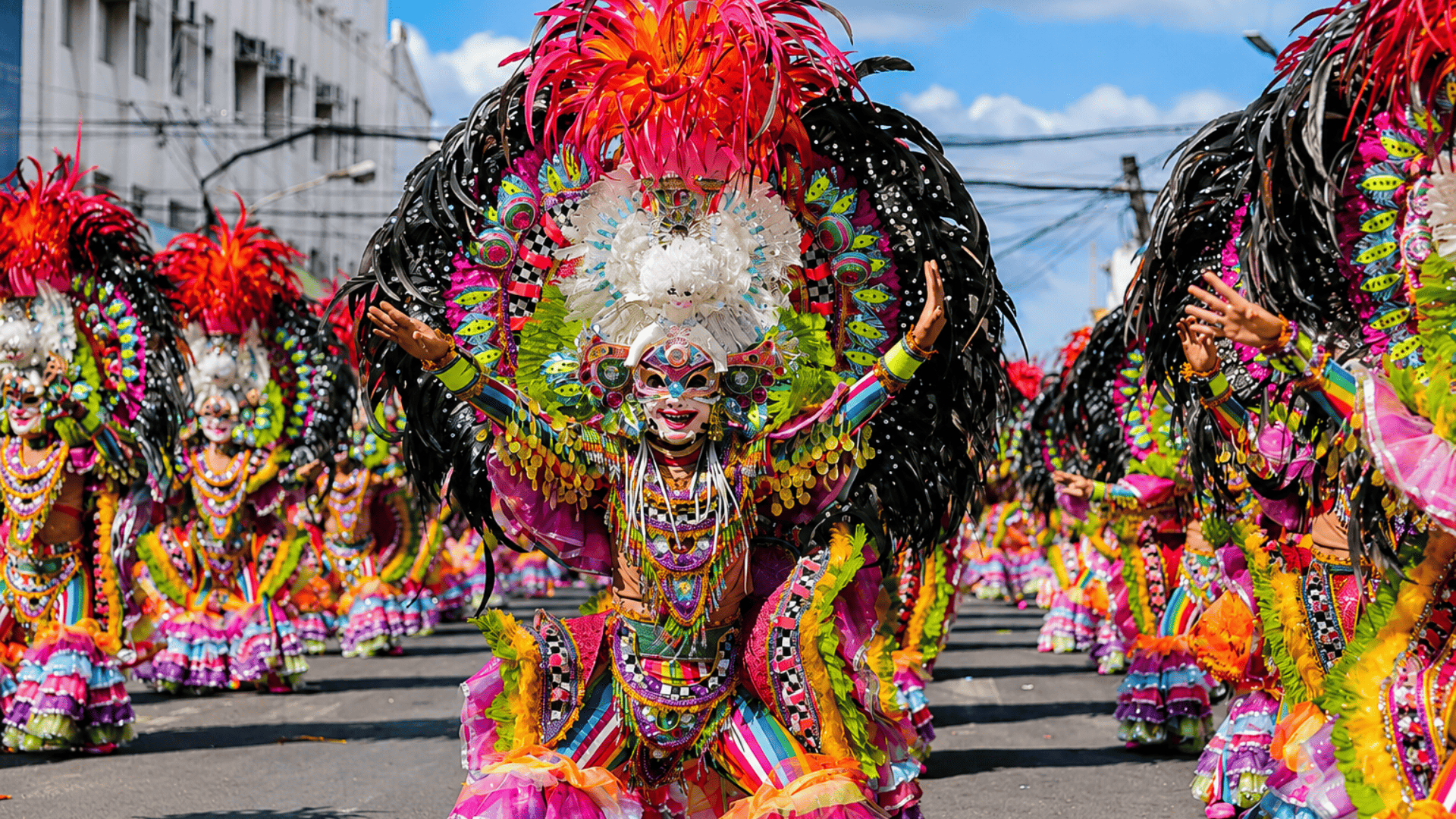
If you want to experience the festive atmosphere of Panama, Carnival is one of the most prominent events of the year, usually taking place before Lent and lasting approximately 4 consecutive days (from Saturday to Tuesday before Ash Wednesday).
This is the time when the entire country almost “erupts” with music, parades, street parties, and community activities.
Las Tablas Carnival, the center of Panama Carnival
Las Tablas Carnival on the Azuero Peninsula is considered the most famous Carnival festival in the country, held annually.
The distinctive feature of this festival is the cultural competition between two traditional “sides”: Calle Arriba (the upper side) and Calle Abajo (the lower side). Each side has:
- Its own parade floats
- Elaborate costumes
- Live music (especially cumbia and tamborito)
- Street art performances
Every night during Carnival, the main streets of Las Tablas become an open-air stage, where locals and visitors immerse themselves in the festive atmosphere that lasts until morning.
Cultural significance
Carnival is not only about partying, but also a way for Panamanians to express:
- Regional identity
- Creativity in folk art
- A strong sense of community
Desfile de las Mil Polleras: When traditional clothing becomes a national symbol
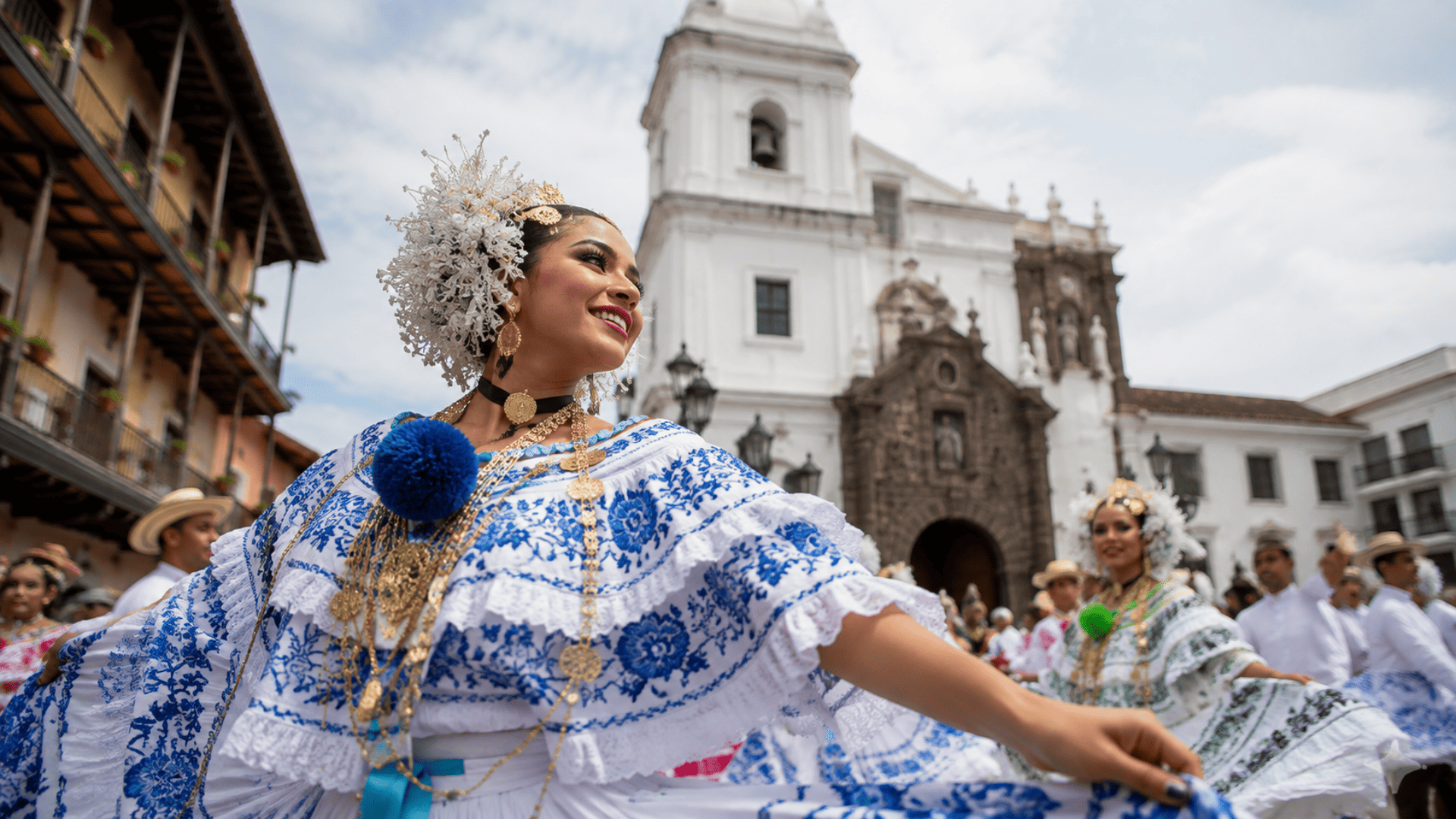
One of Panama’s most special events is Desfile de las Mil Polleras, the Parade of a Thousand Polleras.
Pollera is the traditional clothing of Panamanian women, handcrafted with hundreds of hours of hand embroidery, combined with exquisite gold and silver jewelry.
Festival atmosphere
The event takes place in Las Tablas once a year on the second Saturday of January. Tens of thousands of women wearing Polleras parade through the streets together.
The highlights include:
- White, pink, and vibrant yellow Pollera dresses
- Tamborito music echoing throughout the streets
- Folk dance groups performing continuously
- Families and visitors standing along the streets cheering
Scale and impact
The 2026 edition recorded:
- Approximately 288,750 attendees
- 105 parade groups
- An economic impact of more than 43.3 million balboa
This shows that the festival not only carries cultural value but has also become an important economic driver for the Azuero region.
Corpus Christi: The intersection of faith and folklore
Corpus Christi is one of the oldest religious and cultural festivals in Panama, usually taking place in June, according to the Catholic calendar (60 days after Easter).
Distinctive features of the festival
In towns such as La Villa de Los Santos and Parita, the festival includes:
- Religious processions
- Traditional dances such as “diablicos sucios” (masked devils)
- Folk drums and horns
- Street performances combining religious and folk elements
Cultural significance
Corpus Christi clearly reflects the blending of:
- Religious faith
- Spanish heritage
- Indigenous and Afro-Panamanian culture
This festival has been recognized by UNESCO on the cultural heritage list, emphasizing the value of preserving Panama’s traditions.
Festival Nacional de la Mejorana: The heart of Panamanian folk music
If Pollera is a symbol of clothing, then Mejorana is a symbol of folk music.
The festival in Guararé
Held in the town of Guararé (Los Santos Province), this festival takes place annually in September and is considered one of Panama’s most important cultural events, beginning in 1949.
Main activities
Throughout the festival, people participate in:
- Traditional musical instrument competitions (especially the Mejorana)
- Cumbia and tamborito performances
- Folk costume competitions
- Folk poetry and storytelling performances
Significance
This festival is not only an entertainment event but also a place to:
- Pass musical skills on to younger generations
- Preserve language and folk stories
- Connect rural communities in Panama
Other distinctive festivals of Panama
In addition to the major festivals, Panama also has many events deeply rooted in regional identity:
Festival Nacional de la Pollera (Las Tablas)
Held annually in July
Honors the art of making Pollera
Features traditional fashion shows
Includes craftsmanship competitions
Festival Nacional del Manito de Ocú
Held biennially in Herrera Province
Recreates traditional rural life
Features traditional dances, games, and local cuisine
Festival de la Pollera Conga (Portobelo)
Held annually
Connected to the Afro-Panamanian community
Combines Congo drum rhythms and traditional clothing
Reflects African cultural heritage in Panama
Festival de Máscaras y Bailes de Diablos (Portobelo)
Held annually, usually during the Corpus Christi season or major religious occasions
Devil masks are handcrafted
Symbolic ritual dances are performed
Tells historical and religious stories
Festival del Sombrero Pintao
Held annually
Celebrates the traditional hat-making craft of Panama
Sombrero Pintao has been recognized by UNESCO as intangible heritage
Demonstrates sophisticated craftsmanship passed down through generations
Why are these festivals important?
Festivals in Panama are not only for entertainment but also play a role in:
- Preserving cultural identity
- Connecting local communities
- Attracting international tourism
- Creating real economic value for many regions
More importantly, they reflect a society where traditions continue to live alongside modernity.
Panama, where culture and life become one
An attractive international market is not only evaluated by GDP, real estate, or the financial system.
For families considering a country for long-term living, the quality of the living experience and the ability to integrate into the community are also important factors to consider.
Panama offers a rather unique combination:
An international economy + a multicultural living environment + strong local traditions that continue to be maintained.
From vibrant Carnival, colorful Pollera, Mejorana music to religious and Afro-Panamanian festivals, Panama reveals a cultural depth that not every country in the region possesses.