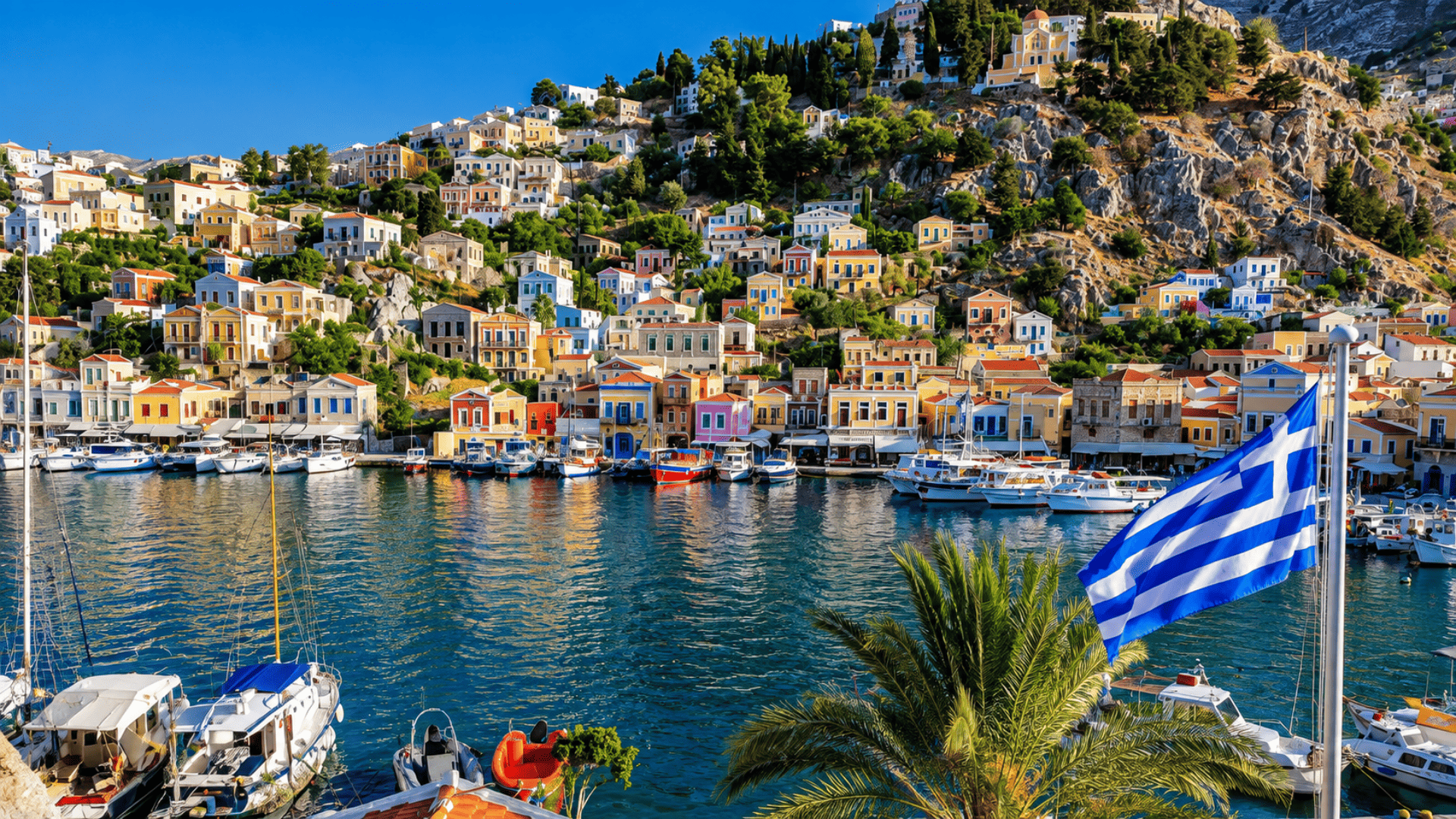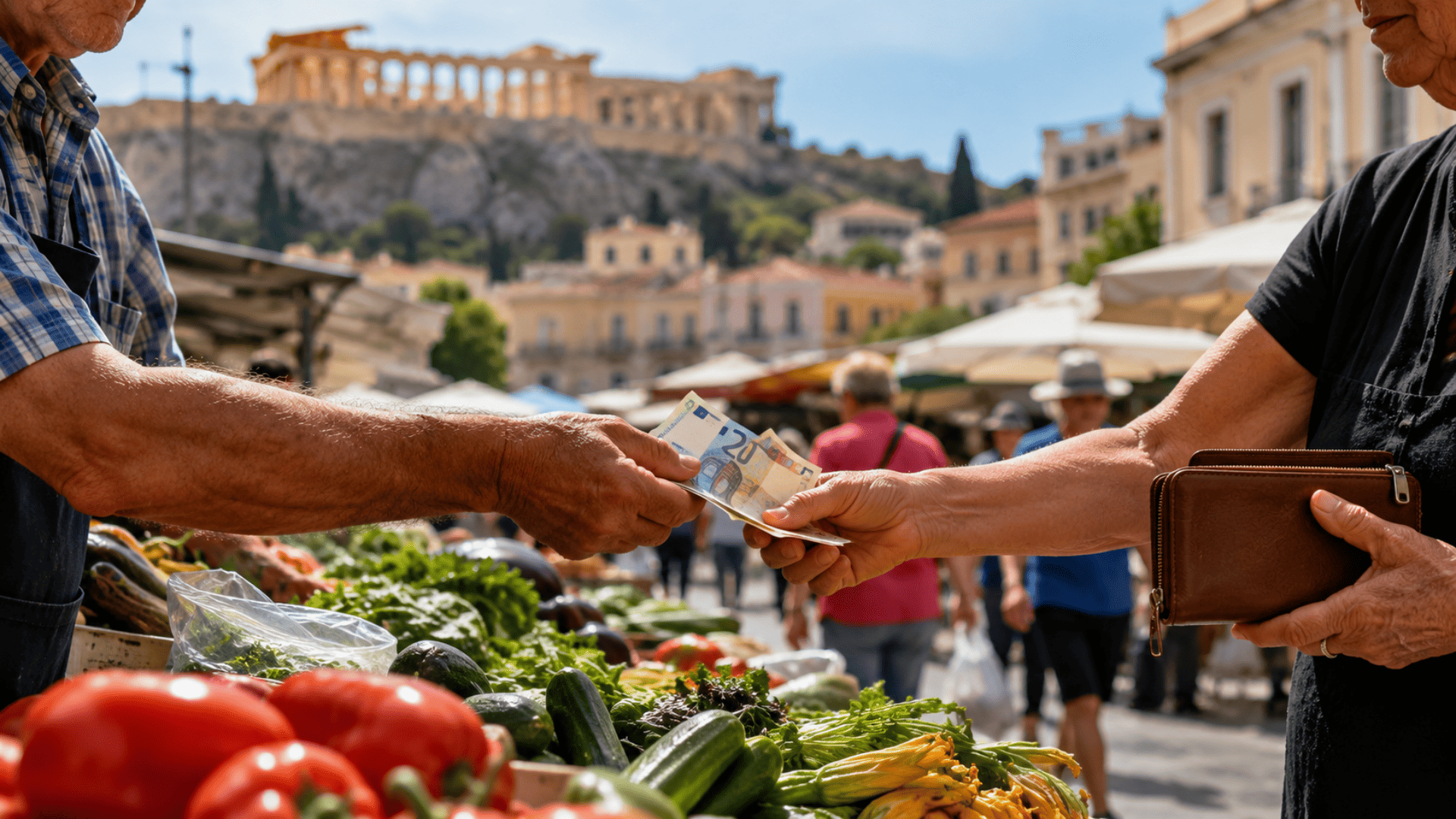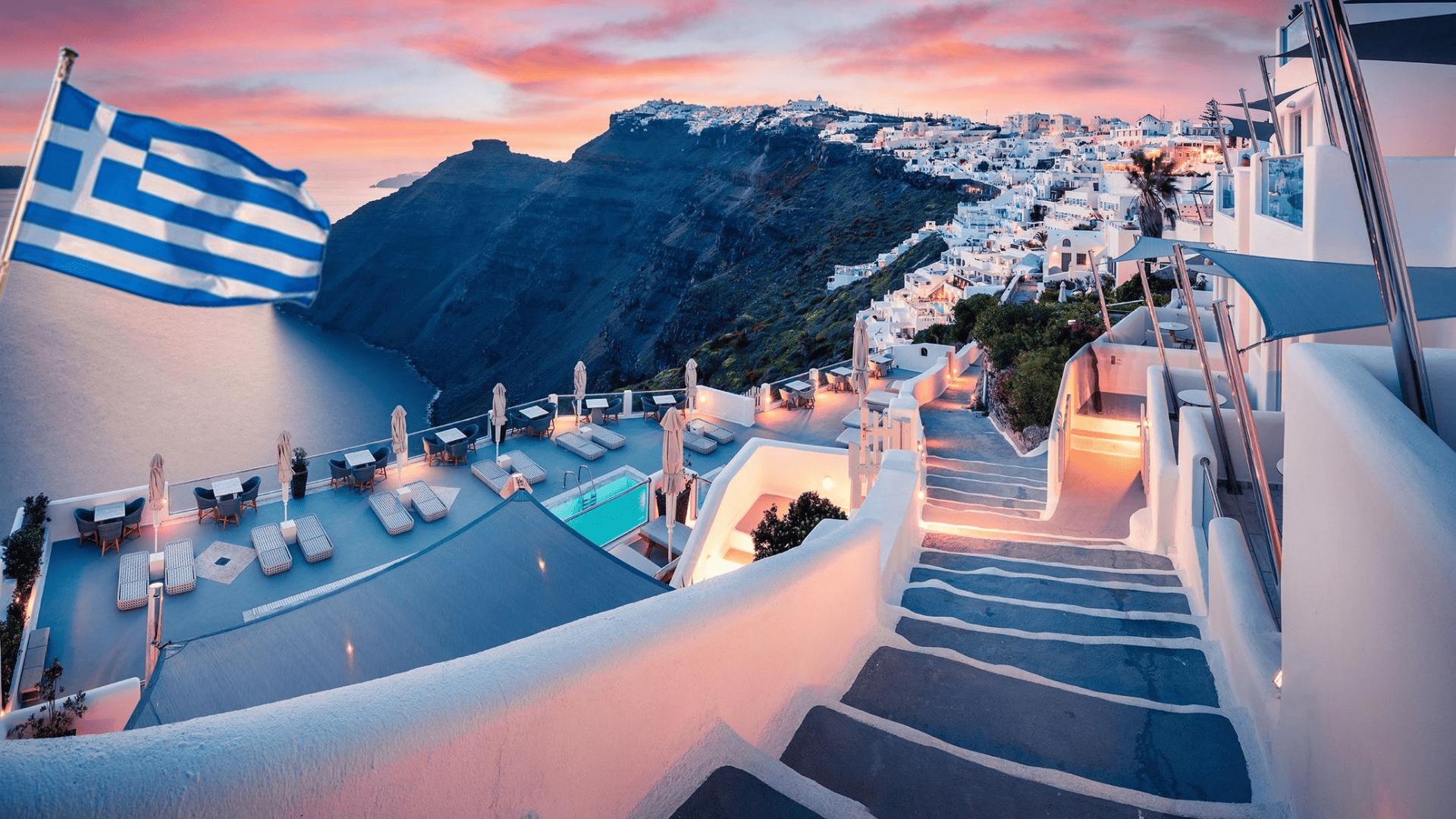
After more than a decade of restructuring and recovery, the Greek economy continues to show positive signals. GDP growth remains above the eurozone average, investment continues to be a key driver, the labor market is improving, and international tourist arrivals are still rising strongly.
These developments are creating a notable picture for international investors: Greece is no longer just a post-crisis recovery story, but is entering a new growth phase with increasing participation from investment, tourism, and international capital flows.
GDP continues to grow despite a volatile global environment
According to the latest preliminary data from the Hellenic Statistical Authority (ELSTAT), Greece’s real GDP in Q1/2026 increased by 2.0% year-on-year and by 0.2% compared to Q4/2025.
Notably, investment remains one of the main drivers of growth, alongside positive contributions from private consumption and net exports. This shows that the Greek economy continues to expand even as the global economic environment faces significant uncertainty.
During the 2023–2025 period, Greece recorded an average real GDP growth rate of around 2.1% per year, significantly higher than the EU average of approximately 1% over the same period. The European Commission also assessed that Greece’s economy has grown relatively steadily in the post-pandemic period.
Investment is becoming a key growth engine
One of the most notable changes in the Greek economy is the acceleration of investment growth.
According to the European Commission, Greece’s investment-to-GDP ratio increased from 11.3% in 2018 to 16.9% in 2025. The investment gap compared to the EU average has also narrowed significantly.
The Bank of Greece forecasts that investment in Greece will continue to grow by around 5.8% in 2026, supported by disbursements from the Recovery and Resilience Facility (RRF), credit expansion, and foreign direct investment inflows.
This is important because investment not only drives short-term growth but also stimulates demand for infrastructure, construction, real estate, services, and related economic activities.
Tourism remains one of the pillars of the economy
Alongside investment, tourism continues to play a particularly important role in Greece.
According to the Bank of Greece, in the first five months of 2026, tourism revenue reached approximately EUR 5.32 billion, up 25.8% year-on-year.
During the same period, international arrivals increased by 20.9%, while the tourism services surplus reached approximately EUR 3.81 billion, significantly higher than EUR 2.89 billion in the same period of 2025.
In May 2026 alone, tourism revenue reached EUR 2.43 billion, up 10.9% compared to May 2025, while international arrivals increased by 12.2%.
These figures show that Greece’s appeal to international tourists remains very strong and continues to generate demand for hotels, serviced apartments, residential properties, and hospitality-related assets.
The labor market is also improving
Another positive signal comes from the labor market.
According to ELSTAT, the seasonally adjusted unemployment rate fell to 8.0% in June 2026, compared to 9.2% in June 2025. This is the lowest level recorded for June since 2012.
Employment reached approximately 4.39 million people, an increase of more than 53,000 people compared to the same period last year, equivalent to a 1.2% rise.
Meanwhile, the number of unemployed people decreased by more than 58,000, or 13.3% compared to June 2025.
The improvement in the labor market may support household income and purchasing power in the economy, while also strengthening demand for housing and related services.
Real estate prices continue to rise, but the market is entering a more mature phase
The health of the economy is also clearly reflected in the real estate market.
According to the Bank of Greece, apartment prices in Greece increased by an average of 5.7% year-on-year in Q1/2026.
Specifically:
- New apartments: +6.0%
- Existing apartments: +5.5%
- Athens: +5.2%
- Thessaloniki: +6.4%
- Other major cities: +5.4%
- Other regions: +6.9%
It is important to note that price growth is slowing compared to previous years.
In 2025, nationwide apartment prices increased by an average of 8.1%, following a 9.1% increase in 2024.
This can be seen as a sign of a market transitioning from a strong growth phase to a more mature stage.
Instead of expecting uniform price increases everywhere, investors increasingly need to focus on factors such as:
Location – infrastructure – real demand – rental potential – asset quality – long-term growth potential.
But Greece still faces challenges
Positive signals do not mean that the Greek economy is free of risks.
The European Commission forecasts Greece’s GDP growth at 1.8% in 2026, lower than 2.1% in 2025. The main reason is expected to be an energy shock and the impact of energy prices on household real income.
The Bank of Greece also forecasts real GDP growth at around 1.9% in 2026, while the OECD provides a similar forecast of 1.9%.
Inflation is also a factor to watch. According to the Bank of Greece, Greece’s HICP rose to 4.9% in May 2026, up from 3.1% in February, mainly due to rising energy prices. The Bank of Greece currently forecasts average inflation of around 3.8% in 2026, before gradually declining to 2.6% in 2027 and 2.3% in 2028.
This indicates that while Greece’s economy has a relatively solid growth foundation, investors still need to closely monitor energy trends, inflation, geopolitics, and the pace of EU fund disbursement.
From economic recovery to opportunities for international investors
What stands out in Greece today is the combination of multiple growth drivers.
GDP continues to grow.
Investment continues to expand.
Tourism is growing strongly.
The labor market is improving.
Real estate prices continue to rise.
EU funds and foreign investment continue to support the economy.
These factors create an economic ecosystem capable of supporting demand for real estate, hotels, serviced apartments, and assets related to business and tourism activities.
For international investors, this is an important perspective: the value of a property is not only determined by its current price, but also by the health of the economy surrounding that asset.
Greece golden visa: combining real estate and eu residency rights
In the context of Greece’s economy and real estate market continuing to attract international capital, the Greece Golden Visa remains one of the most notable residency programs in Europe.
The program allows non-EU citizens to obtain residency through eligible investment routes.
In particular, the market currently offers multiple investment thresholds depending on asset type and location, including eligible cases at the EUR 250,000 level, as well as EUR 400,000 and EUR 800,000 thresholds under current regulations.
This provides investors with more options instead of focusing on a single real estate segment.
In addition to residency rights, investors can also evaluate assets based on:
- Capital appreciation potential
- Rental income potential
- Location and infrastructure
- Tourism demand
- Portfolio diversification within Europe
Viewing the golden visa from a long-term investment perspective
At Casa Seguro Capital, we believe the Golden Visa should not be viewed merely as a residency program.
An effective investment decision should be evaluated across multiple layers: economy – real estate market – location – asset utilization – residency goals – long-term wealth strategy.
The latest data shows that Greece continues to maintain relatively strong growth momentum. Q1/2026 GDP increased by 2.0%, investment is forecast to grow by 5.8% for the full year, tourism revenue in the first five months rose by 25.8%, while apartment prices in Q1 increased by 5.7%.
However, growth is expected to slow, and inflation remains a factor to monitor.
This divergence makes it more important than ever to choose the right asset, the right location, and the right investment strategy.
For investors seeking opportunities that combine real estate, EU residency rights, and portfolio diversification strategies, Greece remains a market worth watching in the 2026–2027 period.
Casa Seguro Capital supports investors throughout their journey in exploring the Greece Golden Visa, from goal assessment and asset selection to building long-term investment and residency strategies.