Portugal’s tourism sector continues to demonstrate strong growth potential in the coming years, as the country further consolidates its position as one of Europe’s most attractive destinations.
Recent analyses show that international tourism demand for Portugal remains on an upward trajectory, driven by a combination of high quality of life, well-developed tourism infrastructure, and distinctive cultural appeal.
The sustained growth of tourism not only generates significant economic revenue but also creates opportunities across related sectors such as hospitality, accommodation services, and tourism real estate.
Tourism: A key pillar of the economy
Over the past decade, tourism has become one of the primary growth drivers of Portugal’s economy.
Before the pandemic, the country welcomed more than 27 million international visitors annually, with tourism contributing approximately 15% of GDP.
Following the global tourism recovery, Portugal continues to see rising international arrivals, particularly from major markets such as:
- The United Kingdom
- The United States
- Germany
- France
- Spain
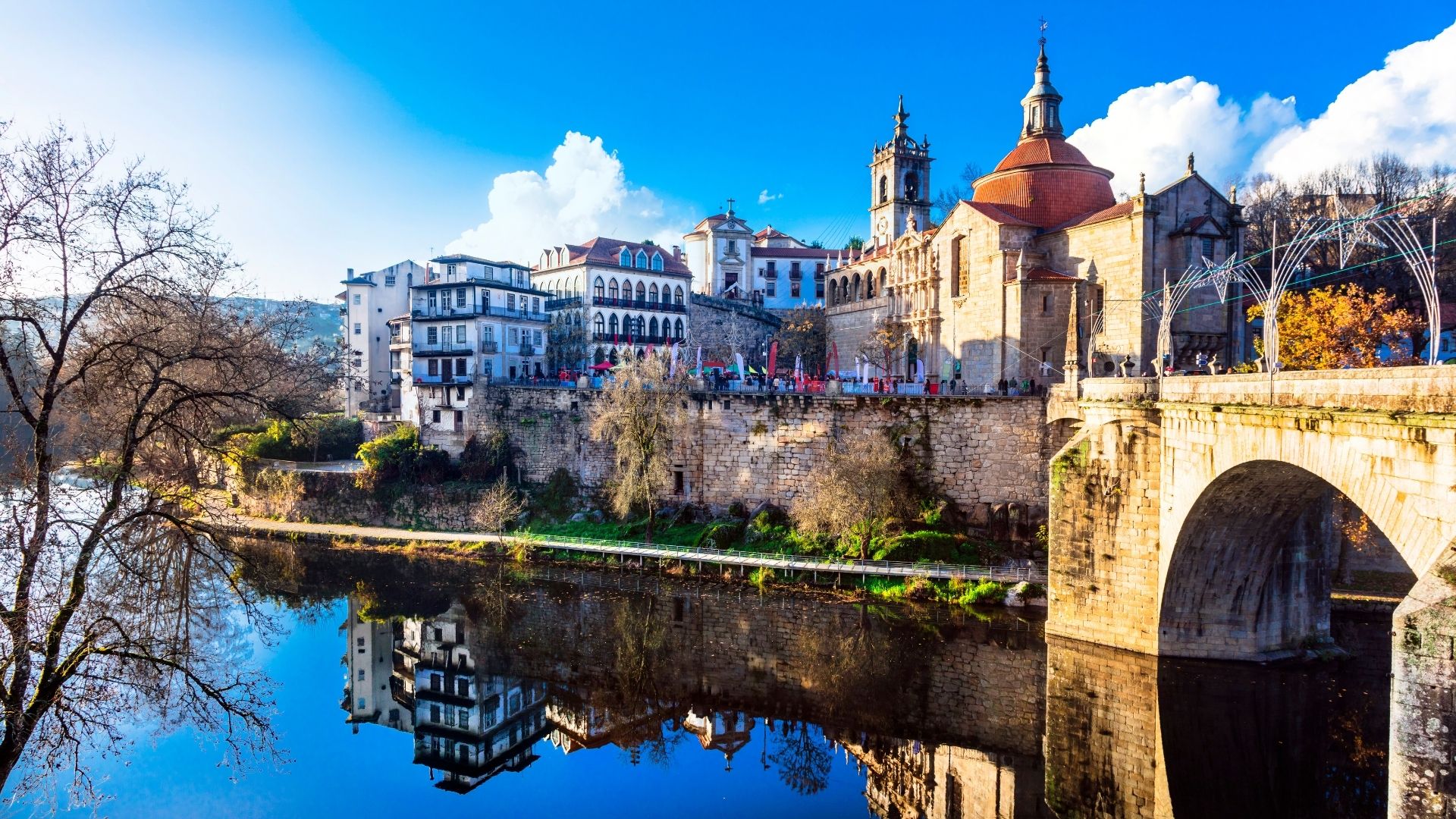
Cities like Lisbon, Porto, and the Algarve region remain among the most popular destinations in Europe.
This steady growth indicates that Portugal is not just a short-term travel destination, but is evolving into a long-term international tourism hub.
Key drivers of long-term growth
Several factors continue to support the long-term expansion of Portugal’s tourism sector.
First, geographic location and favorable climate.
Portugal’s extensive coastline, mild climate, and historic cities enable it to attract visitors year-round.
Second, continuously improving infrastructure.
International airports in Lisbon, Porto, and Faro have been upgraded over the years to accommodate increasing passenger volumes.
Third, diversification of tourism experiences.
Beyond traditional attractions, Portugal is expanding into various tourism segments, including:
- Gastronomy tourism
- Wine tourism
- Coastal and cruise tourism
- Cultural and heritage tourism
- Business and conference tourism
This diversification allows Portugal to attract a wide range of travelers—from leisure tourists to business visitors and experiential travelers.
Lisbon and Porto: Tourism growth centers
Among Portugal’s destinations, Lisbon and Porto continue to play central roles in the national tourism sector.
Lisbon, the capital, has become one of Europe’s fastest-growing tourist cities, attracting visitors with its blend of historic architecture, vibrant culture, and international service ecosystem.
Meanwhile, Porto stands out for its UNESCO-listed historic districts and globally renowned wine culture.
The growth of these cities is driving strong demand for:
- Hotels
- Tourist apartments
- High-quality accommodation services
Investment opportunities in hospitality and tourism services
Tourism growth typically leads to increased demand for service infrastructure, particularly in hospitality and accommodation.
As international arrivals continue to rise, many investors are turning their attention to hotel and tourism development projects in Portugal.
These projects not only meet accommodation demand but also enhance the overall tourism experience in major cities.
At the same time, institutional investment models, such as funds focused on tourism and hospitality, are becoming increasingly popular—allowing investors to participate in the sector’s growth without directly managing operations.
Portugal: A long-term tourism and investment destination
With its combination of political stability, high quality of life, and a thriving tourism sector, Portugal is steadily reinforcing its position as one of Europe’s most attractive destinations.
As international arrivals continue to grow and cities like Lisbon and Porto expand their service ecosystems, tourism is expected to remain a core pillar of the country’s economic growth.
For international investors, the sustained expansion of tourism opens up a wide range of opportunities in sectors such as hospitality, tourism real estate, and accommodation services, forming a long-term investment ecosystem closely tied to Portugal’s tourism growth.