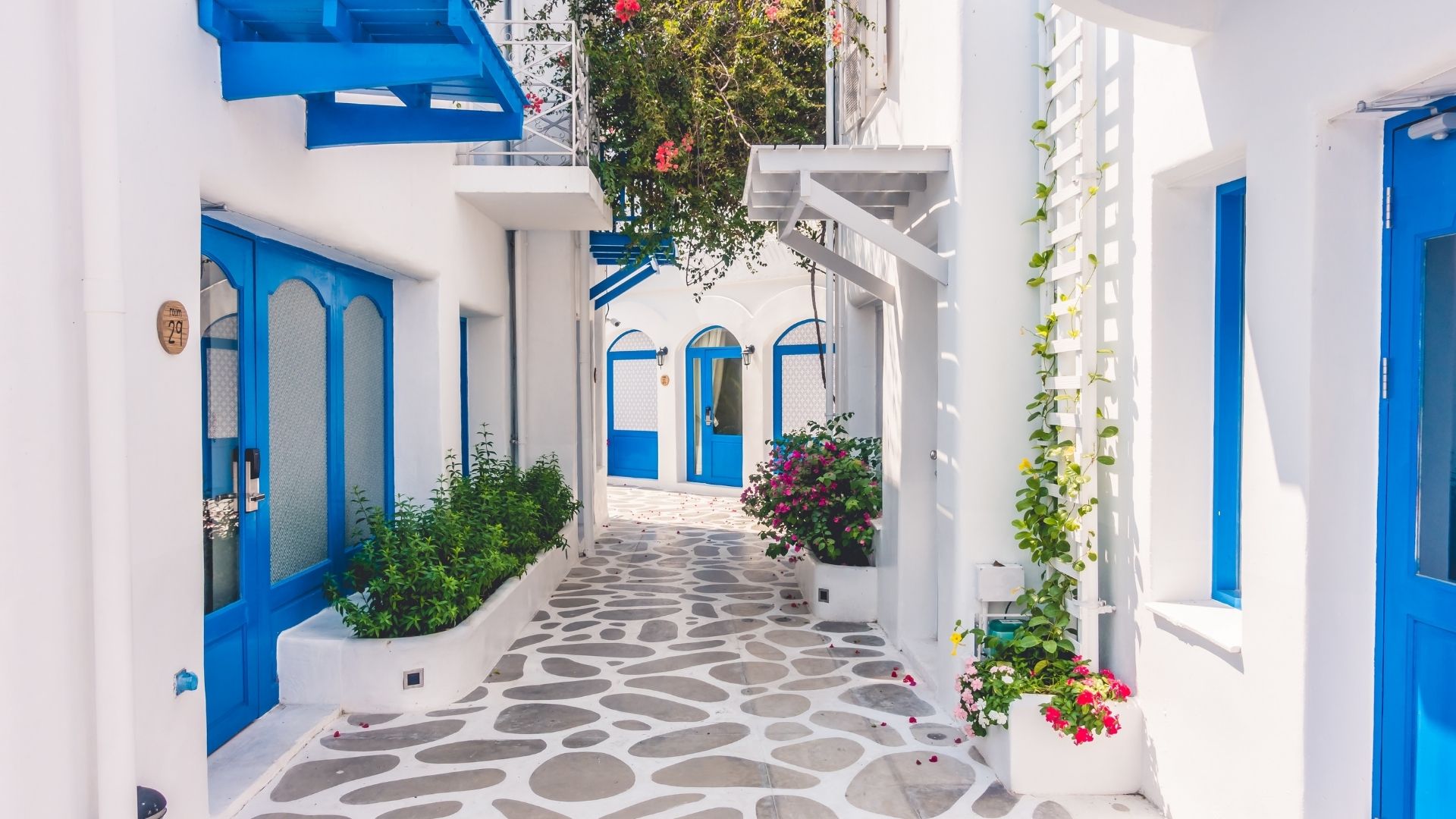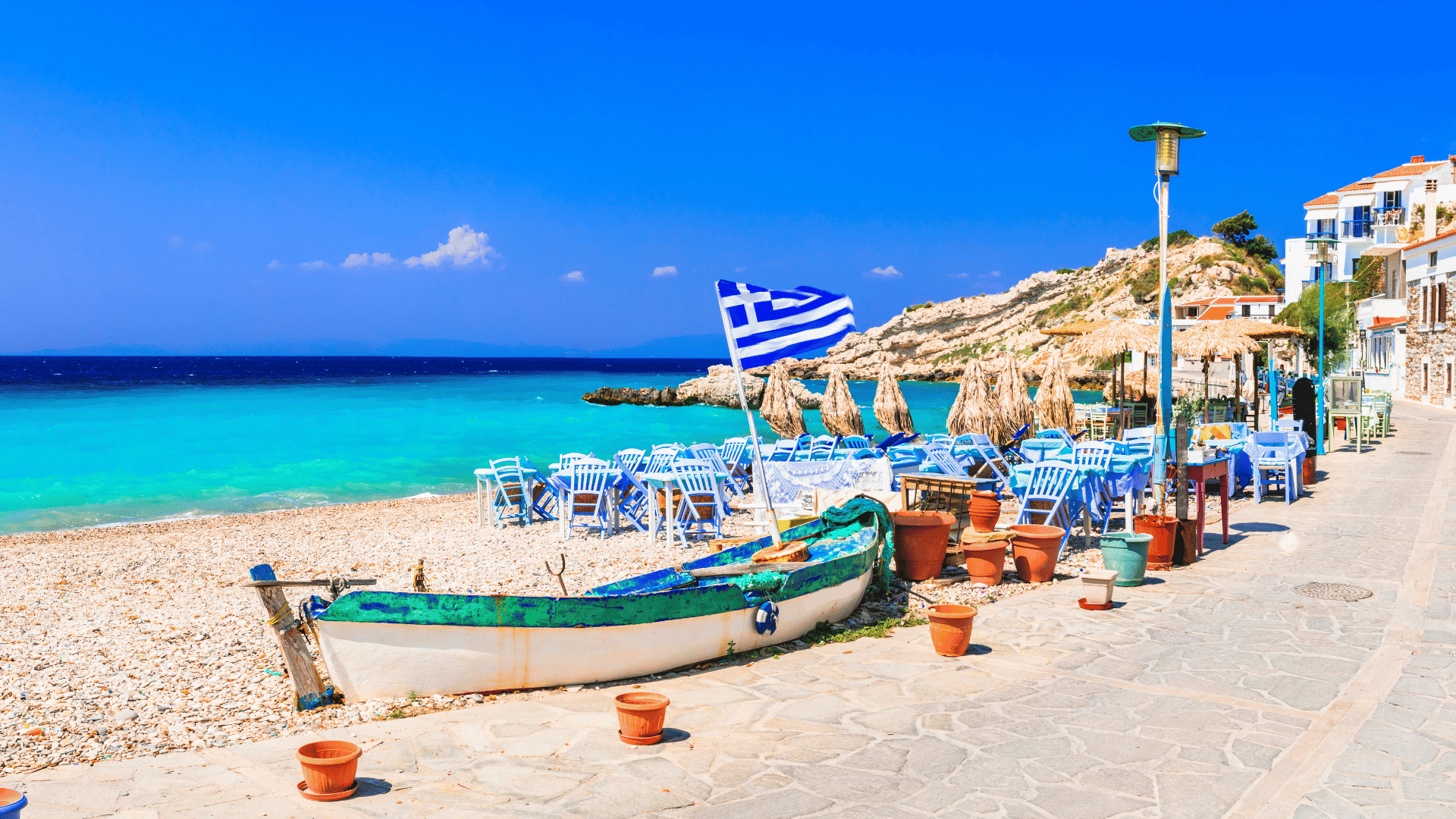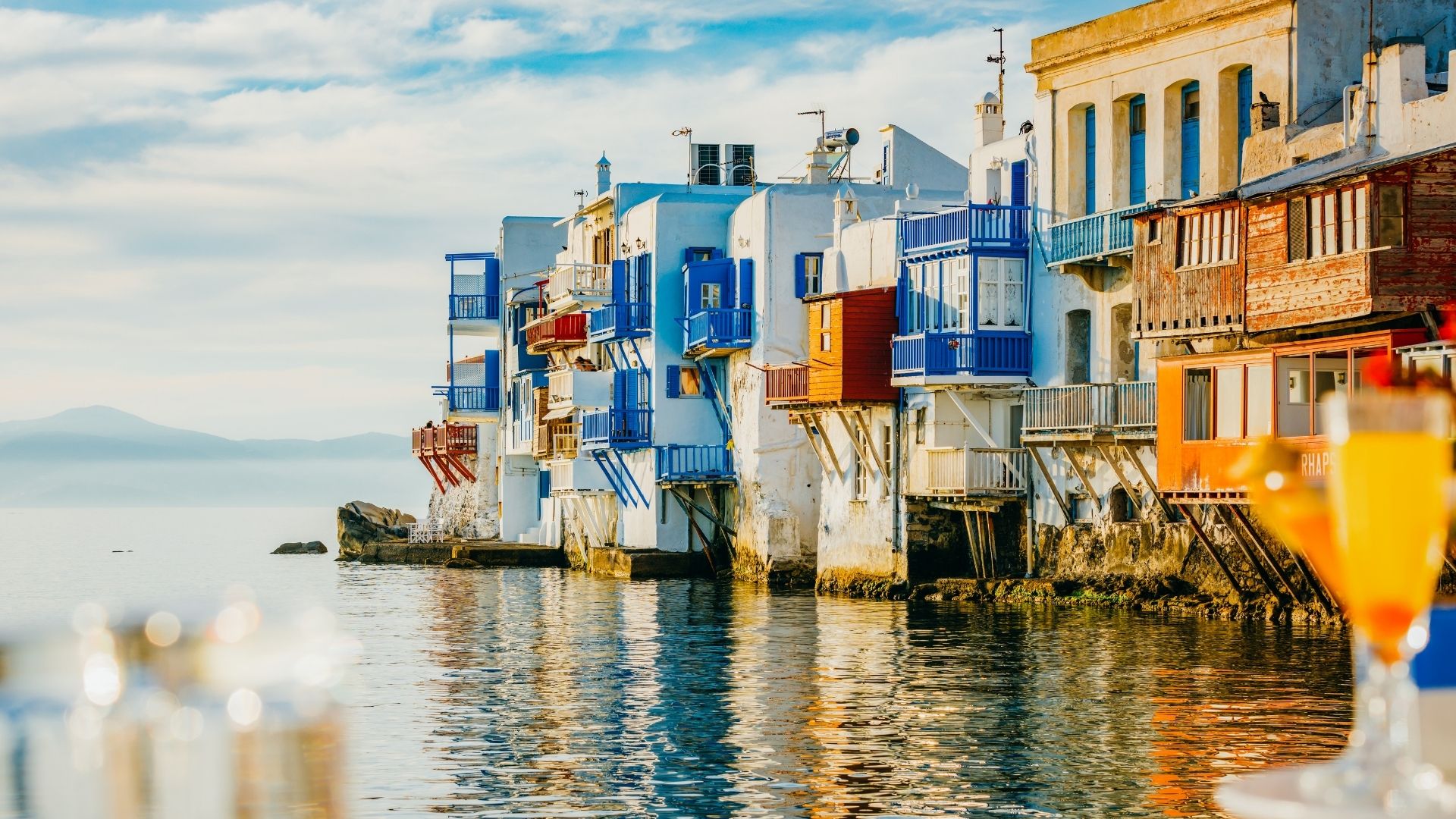
For decades, Greece has been recognized as one of Europe’s premier tourism destinations. However, recent developments suggest a deeper transformation: Greek real estate is no longer defined solely by leisure and lifestyle, but is increasingly positioned as a strategic asset class linked to global capital flows and the tourism value chain.
“Blue property”: When coastal location becomes financial value
The concept of “blue property” — real estate tied to coastal environments and tourism ecosystems — is emerging as a distinct segment within the European market.
In Greece, this trend is particularly evident. Coastal assets are no longer valued purely for their scenic appeal, but for their ability to function as hybrid assets:
- Usage value: accommodation, leisure, and hospitality
- Income value: potential for short-term rentals or hotel operations
- Investment value: capital appreciation driven by limited coastal supply
Destinations such as Santorini and Mykonos have long been iconic, but the current trend is expanding into:
- The Athens Riviera
- Secondary islands with development potential
- Coastal areas undergoing urban regeneration
This indicates that “blue property” is no longer a niche — it is becoming a core axis of the Greek real estate market.
Tourism is no longer seasonal
A key driver behind this shift is the evolving nature of tourism in Greece.
What was once highly seasonal is now transitioning into a more stable, year-round model:
- International arrivals continue to grow
- Length of stay is increasing
- Demand for premium experiences is rising
As a result:
Tourism-driven real estate is no longer dependent on peak seasons,
but is gradually moving toward year-round operational models.
High-net-worth international travelers are increasingly seeking:
- Private living spaces (villas, serviced apartments)
- Residential-style hospitality
- A blend of leisure and remote work lifestyles
These trends directly reinforce the operational value of real estate assets.
International capital and asset repricing
Another critical factor is the influx of international capital.
Following the financial crisis, Greek real estate was significantly undervalued compared to Western European markets. This created an attractive entry point for investors.
Today, a process of asset repricing is underway:
- Investors are seeking European assets at relatively accessible price points
- Capital flows from Asia and the Middle East are increasing
- Institutional players and developers are becoming more active
This repositioning is gradually bringing Greek real estate closer to the valuation levels of more mature European markets.
Infrastructure and urban transformation
The transformation of the market is also supported by structural developments:
- Upgrades in airport infrastructure and international connectivity
- Coastal redevelopment projects
- Urban regeneration initiatives
Athens — particularly the Athens Riviera — stands out as a key example, evolving from an overlooked area into a focal point for large-scale developments and international investment.
This momentum is extending to adjacent strategic zones such as Piraeus, the country’s largest port and a major Mediterranean logistics hub.
Beyond its commercial significance, Piraeus is also a key gateway for international tourism, especially cruise travel — generating consistent, year-round demand for accommodation.
Within this context, developments such as Keranis Residences are increasingly aligned with the underlying dynamics of the market. Positioned within a high-demand urban and transport corridor, the project reflects a shift toward real estate assets anchored in actual usage and sustainable demand, rather than purely speculative investment models.

Golden Visa: Connecting real estate with global mobility
Greece’s Golden Visa program plays a crucial role in this ecosystem, acting as a bridge between real estate investment and global mobility.
It effectively aligns:
- Demand for European residency
- Demand for tangible, income-generating assets
As a result, real estate becomes more than a property investment — it becomes part of a broader international asset allocation strategy.
In many cases, investment decisions are driven not only by yield, but also by:
- Residency flexibility
- Access to Europe
- Legal stability
Conclusion: A market coming of age
What is unfolding in Greece reflects a structural transformation:
- From tourism → to investment assets
- From lifestyle → to income-generating operations
- From local market → to global capital destination
“Blue property” is therefore not a short-term trend, but a manifestation of a new phase — where coastal real estate becomes an integral part of the global investment landscape.