For many years, Panama has been known as:
- An international financial center
- A USD-based economy
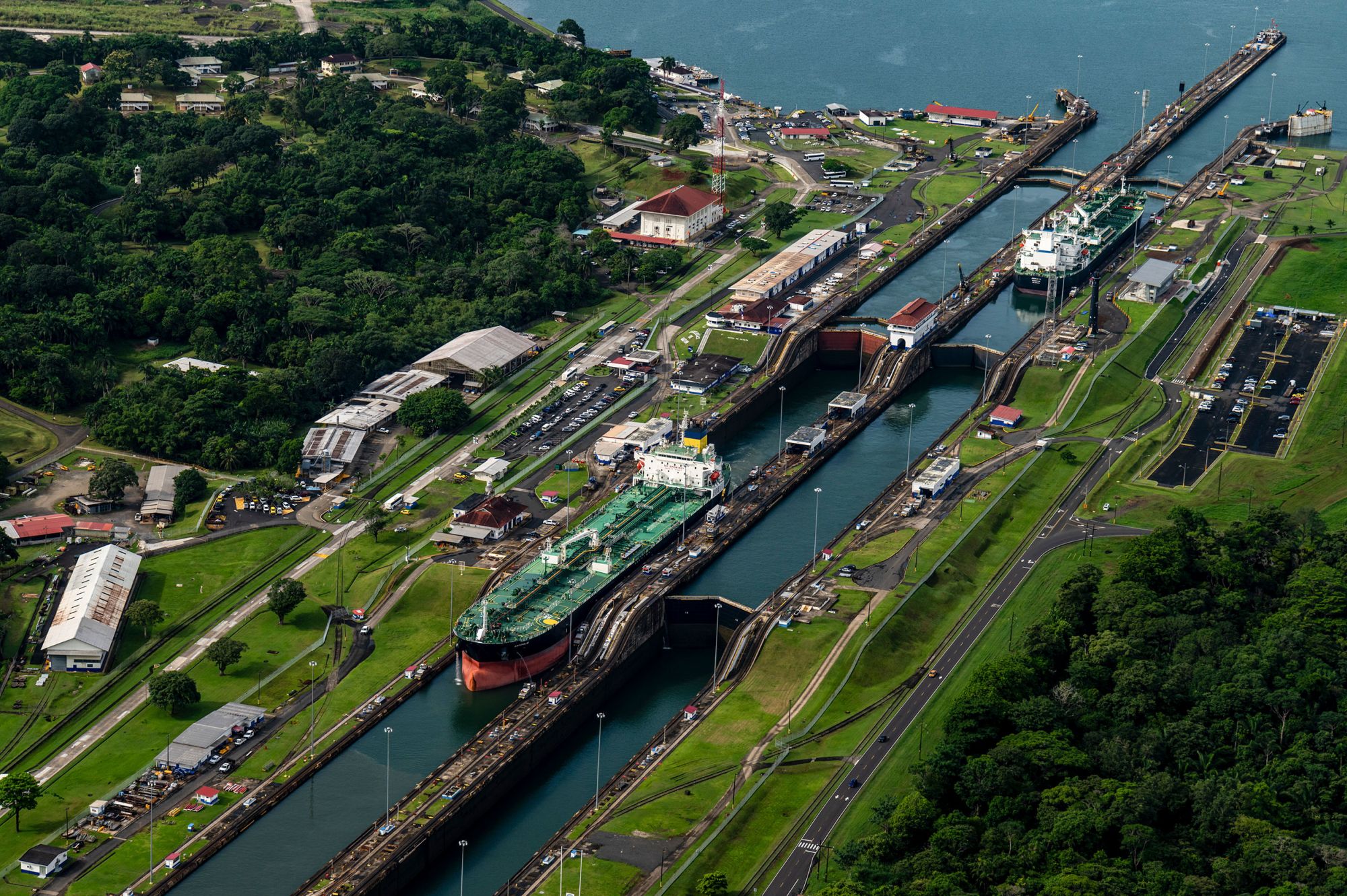
- And one of the world’s most strategic trade gateways thanks to the Panama Canal
However today, Panama is increasingly emerging as: A real estate market supported by genuine rental demand and international USD cash flow.
What makes this trend particularly important is that it is not driven solely by tourism.
Instead, it is supported by:
- Global logistics
- Financial services
- International professionals
- Remote workers
- And the growing relocation of globally mobile families into Latin America
Panama is benefiting from the restructuring of global trade
According to data from the Panama Canal Authority, canal traffic has increased significantly in 2026 as:
- Asia increases imports of oil and natural gas from the United States
- Global supply chains continue to shift
- And traditional shipping routes face growing geopolitical risks
Some recent auctions for priority canal transit have exceeded: USD 3–4 million for a single vessel passage.
This clearly reflects: Panama’s increasingly central role in global trade and logistics.
As:
- Cargo flows expand
- Transportation activity grows
- And multinational companies increase their regional presence
demand for:
- Residential housing
- Urban apartments
- Serviced residences
- And professionally managed rental properties
continues to rise accordingly.
Panama’s property market is supported by real demand
Unlike many markets heavily dependent on speculation or short-term tourism, Panama is increasingly supported by:
- Real logistics activity
- International finance
- Globally mobile professionals
- Medium- and long-term residential demand
- Expansion of multinational businesses
According to Global Property Guide, apartment rental yields in Panama City in recent years have generally ranged: Between approximately 6–8%, depending on location and operational model.
This remains relatively competitive compared to:
- Miami
- Lisbon
- Barcelona
- And many major European cities
At the same time:
- Panama property prices remain significantly lower than many international financial hubs
- While the country operates in US dollars
- And maintains strong global connectivity
This is why more international investors are beginning to view Panama as: A USD cash-flow market rather than simply a place to park capital.
Panama is attracting an international residential community
Another major factor supporting the rental market is: Panama’s growing appeal among international residents.
According to InterNations Expat Insider rankings, Panama consistently scores highly for:
- Quality of life
- Cost of living
- Friendliness toward foreigners
- And suitability for retirees and globally mobile professionals
Additionally:
- A developed banking system
- Use of the US dollar
- Strong international flight connectivity
- And a competitive tax environment
all contribute to Panama’s attractiveness for:
- Entrepreneurs
- Remote workers
- And globally diversified families
As the international residential community continues to expand, demand for quality rental housing is also rising steadily.
Santa Maria: Urban real estate for the international residential market
One of the most sought-after areas in Panama City today is Santa Maria.
The district is widely regarded as: One of the most premium and master-planned residential communities in Panama.
The Santa Maria luxury apartment project developed by Mercan Group is strategically located:
- Near the financial center
- With convenient access to Tocumen International Airport
- And within a fast-growing international residential community
Most importantly: The tenant profile in Santa Maria typically includes international professionals, senior executives, and globally mobile families seeking long-term residence.
This creates:
- More stable occupancy
- Higher-quality tenant demand
- And stronger long-term cash-flow potential compared to short-term tourism-driven markets
Beyond rental performance, Santa Maria is also valued for:
- Modern infrastructure
- Integrated urban planning
- International community positioning
- Premium lifestyle environment

Pullman Panama: The rise of professionally managed hospitality residences
Alongside traditional residential property, professionally operated hotel-residence models are also gaining momentum in Panama.
The Pullman Panama project reflects this trend clearly.
Developed under an: International hotel and serviced residence model,
the project targets:
- Business travelers
- International professionals
- Medium-term residents
- And globally mobile individuals
This segment is growing rapidly in Panama due to the expansion of:
- Logistics
- Finance
- Maritime activity
- And international trade
One of the biggest changes in today’s market is: Investors increasingly prefer professionally managed operational assets over individually self-managed properties.
The reasons are clear:
- Reduced management burden
- Professional operational structure
- Better occupancy optimization
- Alignment with modern global accommodation trends

Not just real estate, but a global residency strategy
An important point is: Panama is no longer attracting only real estate investors.
The country is also gaining attention through its residency pathways for international investors.
Through suitable programs, investors may:
- Expand international residency options
- Diversify assets in USD
- And create greater long-term mobility for their families
At a time when:
- Global tax systems are evolving
- Geopolitical uncertainty is increasing
- And supply chains continue restructuring
many globally minded families increasingly view: International residency and global assets as part of a long-term wealth strategy.
Conclusion
Panama is entering a new stage of growth:
- Logistics expansion
- Growth of the international professional community
- Global trade restructuring
- And rising real residential demand
Within this environment, Panama real estate is no longer simply about: “Owning property overseas.”
It is increasingly becoming: A strategy for generating USD cash flow, supported by real operational demand and long-term global mobility trends.
In particular, projects that:
- Occupy strategic locations
- Serve international communities
- And feature professional operational structures
are becoming some of the most closely watched segments in the market today.