In 2026, global supply chains are no longer defined solely by efficiency, but increasingly by resilience and adaptability. Recent geopolitical developments have accelerated a structural shift, forcing global trade routes, capital flows, and investment strategies to reposition.
One of the most notable developments is the disruption at the Strait of Hormuz — a strategic corridor that accounts for approximately one-fifth of the world’s oil and gas exports. As this route faces blockages, energy flows have been forced to reroute, creating ripple effects across the global logistics system.
From disruption to redirection: A new trade reality
To meet energy demand, Asian refineries have begun sourcing oil and gas from the United States rather than relying on Gulf countries. This shift has resulted in longer, more complex shipping routes — placing increased pressure on alternative corridors.
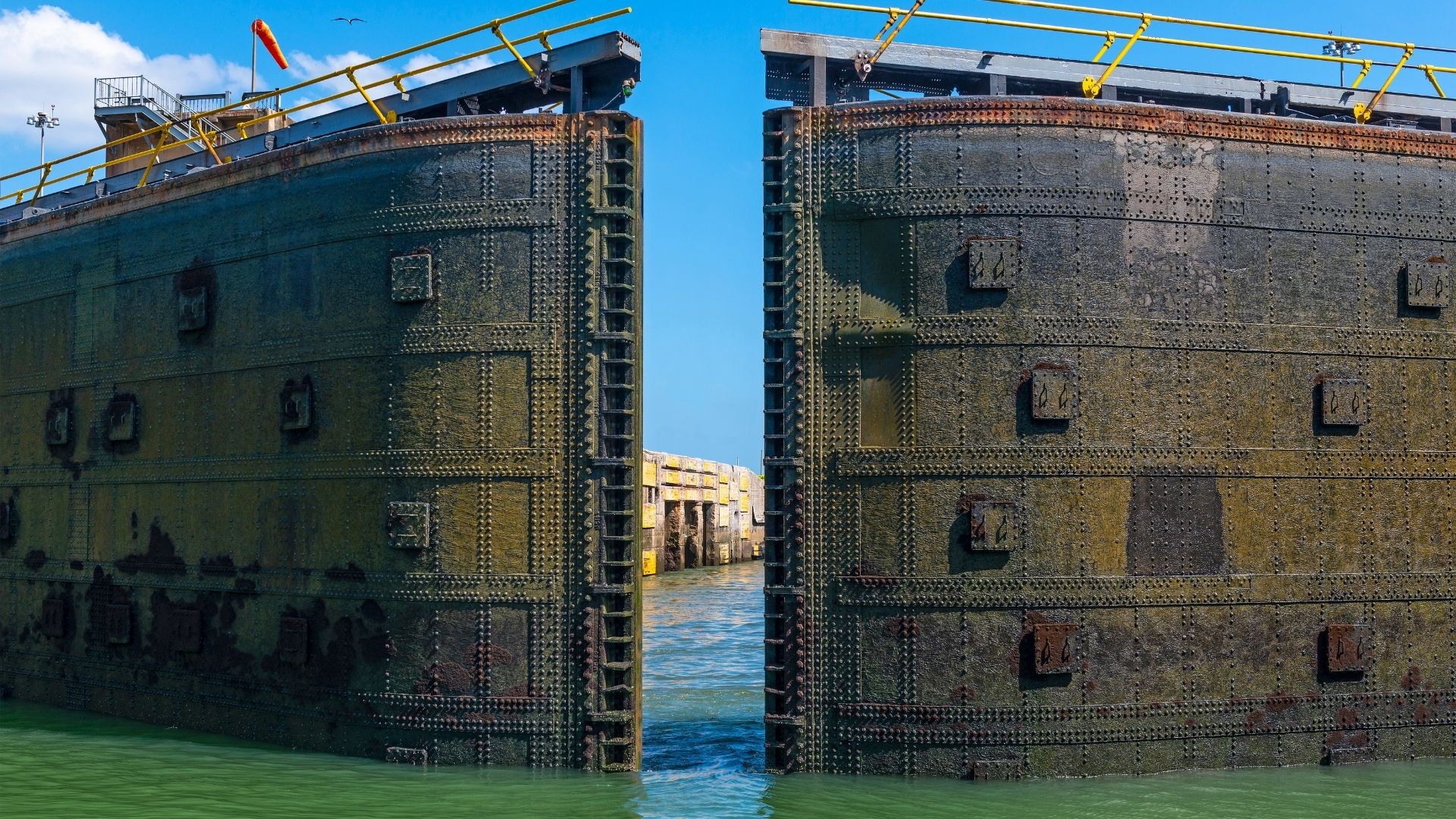
A key beneficiary of this shift is the Panama Canal.
According to the Panama Canal Authority:
- Daily vessel traffic remains strong, increasing from 34 ships per day in January to 37 in March, with peaks exceeding 40 transits
- Ships without prior bookings face average waiting times of up to five days
- Auction prices for priority transit have surged significantly
Notably, an LNG vessel recently secured passage with a bid of $4 million, while oil tankers exceeded $3 million — a sharp increase compared to the historical average of approximately $130,000.
These figures highlight a clear reality:
Global supply chains are being restructured under geopolitical pressure.
Latin America: From alternative route to strategic hub
In this context, Latin America is emerging as a critical component of the global trade system.
The Panama Canal alone accounts for approximately 5% of global maritime trade, serving as a key link between:
- The U.S. East Coast
- Major Asian economies such as China, South Korea, and Japan
In the first half of fiscal year 2026, the canal recorded 6,288 vessel transits, representing a 3.7% year-on-year increase — despite global uncertainties.
This underscores a broader trend:
Global trade is not declining — it is reconfiguring along new axes.
Capital follows the shift
Where capital once followed established trade routes, the dynamic is now reversing:
Changes in logistics are increasingly driving investment decisions.
Latin America is gaining attention due to:
- Significant investments in port and logistics infrastructure
- A growing role in energy transportation and distribution
- Expanding tourism and real estate sectors linked to global connectivity
For investors, this represents a convergence of:
- Undervalued assets
- Increasing strategic importance
- Long-term growth potential
Casa Seguro Capital’s perspective
At Casa Seguro Capital, we view these developments not as short-term disruptions, but as part of a broader global rebalancing cycle.
Our investment approach focuses on:
- Markets benefiting from macroeconomic shifts
- Assets with real operational value and income generation
- Clear legal frameworks aligned with international investors
Latin America — particularly in the hospitality and real estate sectors — increasingly meets these criteria, benefiting from both tourism growth and its role in the evolving global trade landscape.
A new map of opportunity
Recent disruptions in key global routes such as the Strait of Hormuz highlight a fundamental truth:
The world is constantly shifting — and opportunities emerge at new points of convergence.
Today, Latin America is no longer a peripheral market, but an increasingly central player in global trade and investment flows.
For those exploring international investment and asset allocation, this shift presents a compelling moment to reassess strategy and identify markets aligned with long-term global trends.
Casa Seguro Capital is ready to support you in navigating and positioning within this evolving landscape.