In the 2025–2026 period, the global investment migration landscape is undergoing a clear structural shift. Many programs in Europe have changed fundamentally—moving away from real estate toward fund-based models, and from flexibility toward tighter regulation. Yet, international capital has not disappeared; instead, it is being reallocated toward markets that maintain a balance between simplicity, efficiency, and asset control.
Within this context, the Greece Golden Visa has emerged not as a temporary alternative, but as a strategic component within global wealth structures.
A shift following changes in “traditional” programs
The removal of real estate options in Portugal’s Golden Visa and the tightening of requirements in other European countries have created a significant gap in the market.
For years, real estate has been the cornerstone of investment migration for three key reasons: it is tangible, easy to understand, and capable of generating real value. As this option becomes less accessible in some countries, investors are naturally shifting toward markets that still preserve this structure.
Greece stands out as one of the few countries that:
- Continues to allow direct real estate investment
- Maintains a clear and accessible framework
- Has not yet reached policy saturation
This is not a minor advantage—it is a decisive factor in global capital allocation.
Investment threshold and capital efficiency
One of the core reasons Greece continues to attract investors is its efficiency per unit of capital.
With an investment threshold starting from EUR 250,000 (depending on location and asset type), investors can:
- Own property in Europe
- Obtain residency for the entire family
- Avoid any minimum stay requirement
While many programs now require higher capital commitments or shift toward fund-based structures (with less direct control), Greece still allows investors to retain direct ownership of tangible assets.
In an uncertain environment, control over assets has become a priority rather than a preference.

Greek real estate: From recovery to structural growth
Greece is no longer simply a “post-crisis value play.” The market has evolved into a more mature phase characterized by:
- Consistent price growth over multiple years
- Strong and sustained rental demand
- Renewed inflows of international capital
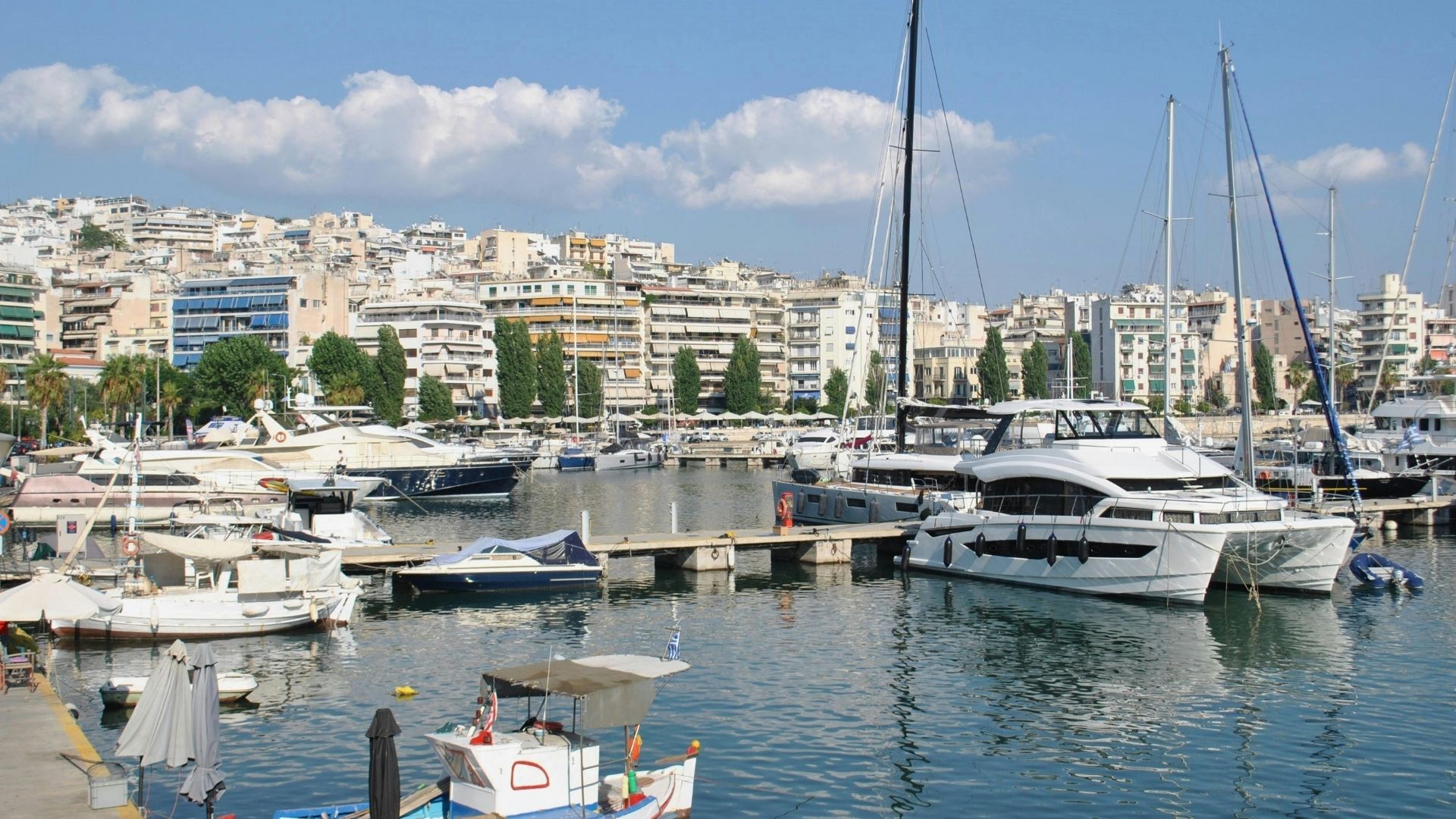
Key areas such as Athens and Piraeus exemplify this transition:
- Infrastructure improvements
- Urban regeneration projects
- Pricing still below other major European cities
This creates a rare positioning: growth with remaining upside potential.
Dual value: Asset ownership and global mobility
The Greece Golden Visa offers more than residency—it combines:
- A tangible, income-generating asset
- The right to reside in Europe with visa-free access across the Schengen Area
In today’s global environment, mobility is no longer secondary—it is part of a broader wealth strategy.
This is particularly relevant for investors who:
- Operate internationally
- Require flexibility in relocation
- Seek long-term options for family planning
Policy advantage: A time-sensitive opportunity
A key driver of investment decisions in 2025–2026 is the 24% VAT exemption on new-build properties, extended through the end of 2026.
This effectively:
- Reduces upfront acquisition costs
- Improves overall investment returns
- Creates a competitive edge compared to other markets
Time-sensitive policy advantages like this often play a decisive role—not because they last indefinitely, but because they create short-term opportunities with significant impact.
Flexibility in residency structure
An often underestimated but critical factor is flexibility.
The Greece Golden Visa:
- Does not require physical residence
- Is easily renewable
- Provides a pathway to citizenship (subject to conditions)
This aligns with a broader trend: investors are no longer “relocating,” but rather building multi-jurisdictional residency structures as part of long-term planning.
Strategic positioning within a global portfolio
The key question is no longer “Should I invest in Greece?” but rather: What role does Greece play within a global asset portfolio?
In practice, Greece is often positioned as:
- A gateway into Europe
- A euro-denominated income-generating asset
- A component in geographic risk diversification
When properly integrated, the value of the program lies not in isolation, but in how it fits within a broader wealth strategy.

Conclusion
The continued preference for the Greece Golden Visa in 2026 is not coincidental. It is the result of a convergence of key factors:
- A clear and familiar investment structure
- Direct ownership of tangible assets
- A real estate market in a growth phase
- Time-sensitive policy advantages
- High flexibility in residency
In an increasingly complex world, investors are not seeking “more options,” but better-aligned solutions.
At this moment, Greece remains one of the few markets that effectively delivers on that balance.