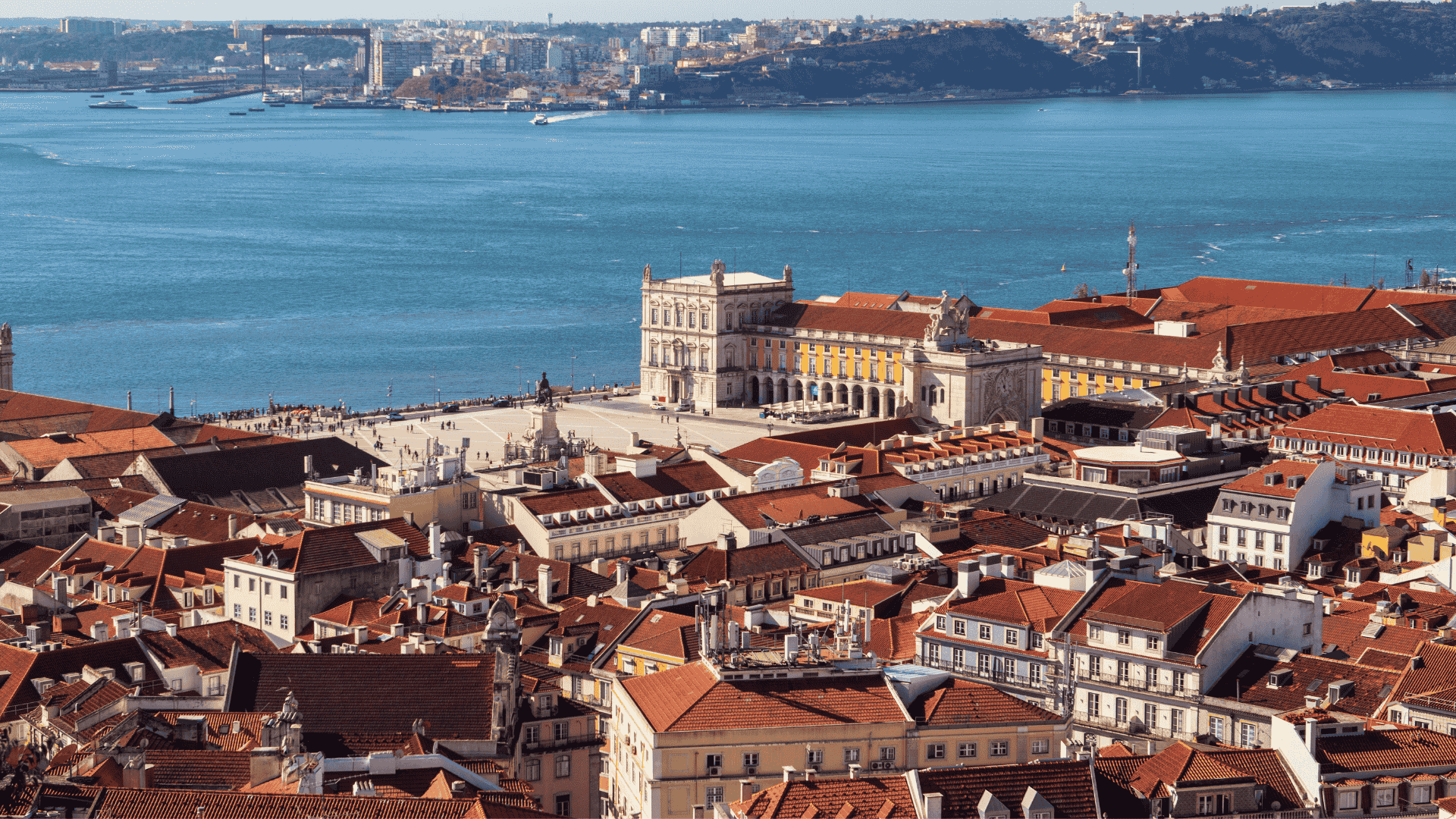
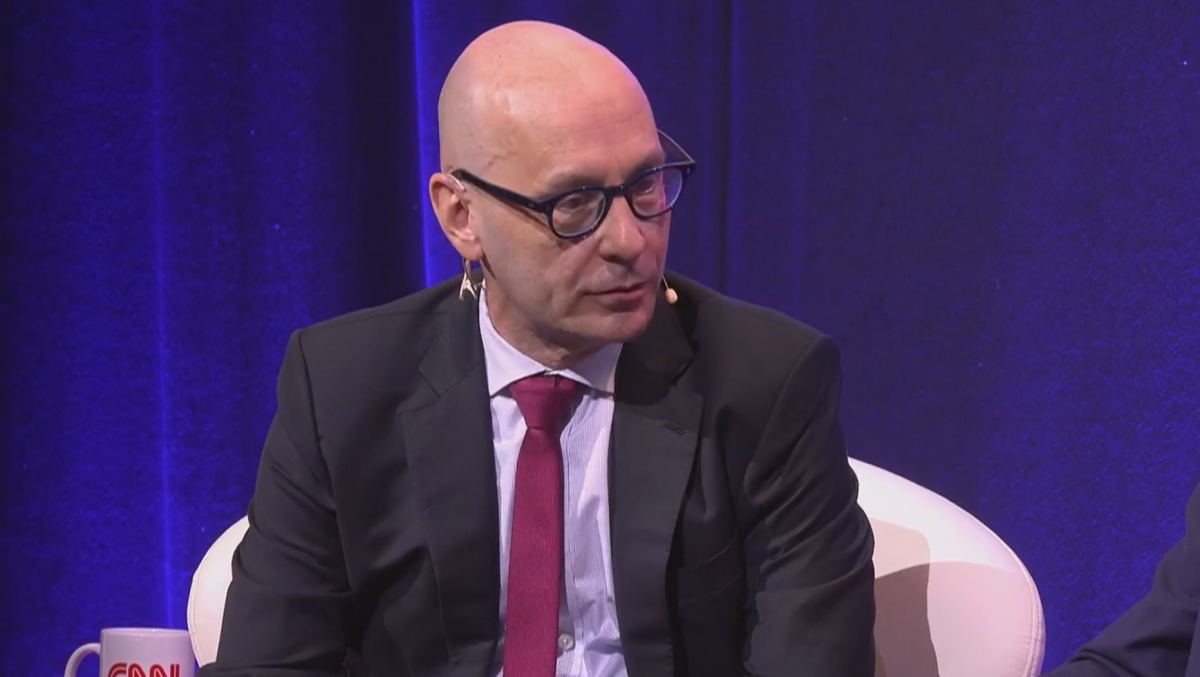
At an international media summit held in Portugal, Mr. Mariano Faz, CEO of AHM (Ace Hospitality Management)—the hotel management arm of Mercan Group—participated in a high-level panel discussion at the Lisbon International Fair (FIL), during the Portugal International Tourism Fair.
Mr. Faz joined leading figures in hospitality and tourism investment, including:
-
Sean Moriarty, CEO of Quinta do Lago – one of Europe’s most prestigious luxury resorts
-
Francisco Moser, Head of Hospitality at Arrow Global Portugal – a major asset management group
-
Olivier Jacquet, Regional COO Europe at United Hospitality Management
-
Cristina Siza Vieira, Executive Vice President of the Portuguese Hotel Association
The discussion was moderated by Pedro Santos Guerreiro, CEO of a leading Portuguese media channel.
Mercan’s presence alongside top industry leaders at such a prestigious international forum underscores its growing influence in hospitality development and operations, as well as its role in shaping the future of luxury tourism in Portugal and Europe.
Luxury tourism: A new growth structure in the service sector
The luxury and ultra-luxury segments are growing faster than the broader tourism market. High-net-worth travelers today are not just seeking destinations, but prioritizing:
-
Political and legal stability
-
International-standard services
-
Integrated infrastructure
-
High quality of life and safety
Portugal meets all these criteria. The country consistently ranks highly for safety, livability, and tourism appeal, while attracting increasing capital inflows, particularly from North America and Asia.
This growth is driving strong demand for 4- and 5-star hotels in prime locations.
Mercan Group: Building a fully integrated hospitality ecosystem
With decades of international experience and a strong track record, Mercan Group goes beyond real estate development to build a fully integrated hospitality ecosystem.
Its projects in Portugal focus on:
-
4- and 5-star hotel segments
-
Prime locations in major cities and key tourism destinations
-
Partnerships with international hotel operators
-
Global standards in construction and operations
A key differentiator in Mercan’s model is the integration of development, ownership, and direct operation, ensuring:
-
Consistent service quality
-
Optimized operational performance
-
Sustainable value creation for investors
Fund II: Investment linked to real operations
Building on previous successes, Mercan has launched Fund II, an investment model focused on hotel ownership and operations.
Unlike passive real estate investment, Fund II is designed to:
-
Invest directly in operating hotel assets
-
Generate income from hospitality operations
-
Align investor returns with real business performance
This approach allows investors to participate directly in the growth of the tourism sector, rather than simply holding static assets.
When hotel operations perform well, the value created extends beyond financial returns, contributing to:
-
Job creation for local communities
-
Increased international tourist inflows
-
Higher government revenues
-
Broader infrastructure and service development
This creates a model where investment not only generates returns, but also supports the sustainable growth of Portugal’s tourism economy.
Conclusion: Investment anchored in real value
The rise of luxury tourism reflects a broader shift in how both consumption and investment strategies are evolving globally.
In this context, Mercan Group is not just developing projects—it is actively contributing to the long-term infrastructure of high-quality tourism in Portugal.
Fund II represents an investment approach grounded in real economic activity, generating income while directly supporting tourism growth and national development.
For investors seeking long-term opportunities, this is not simply an asset investment—it is participation in a sustainable and expanding ecosystem.