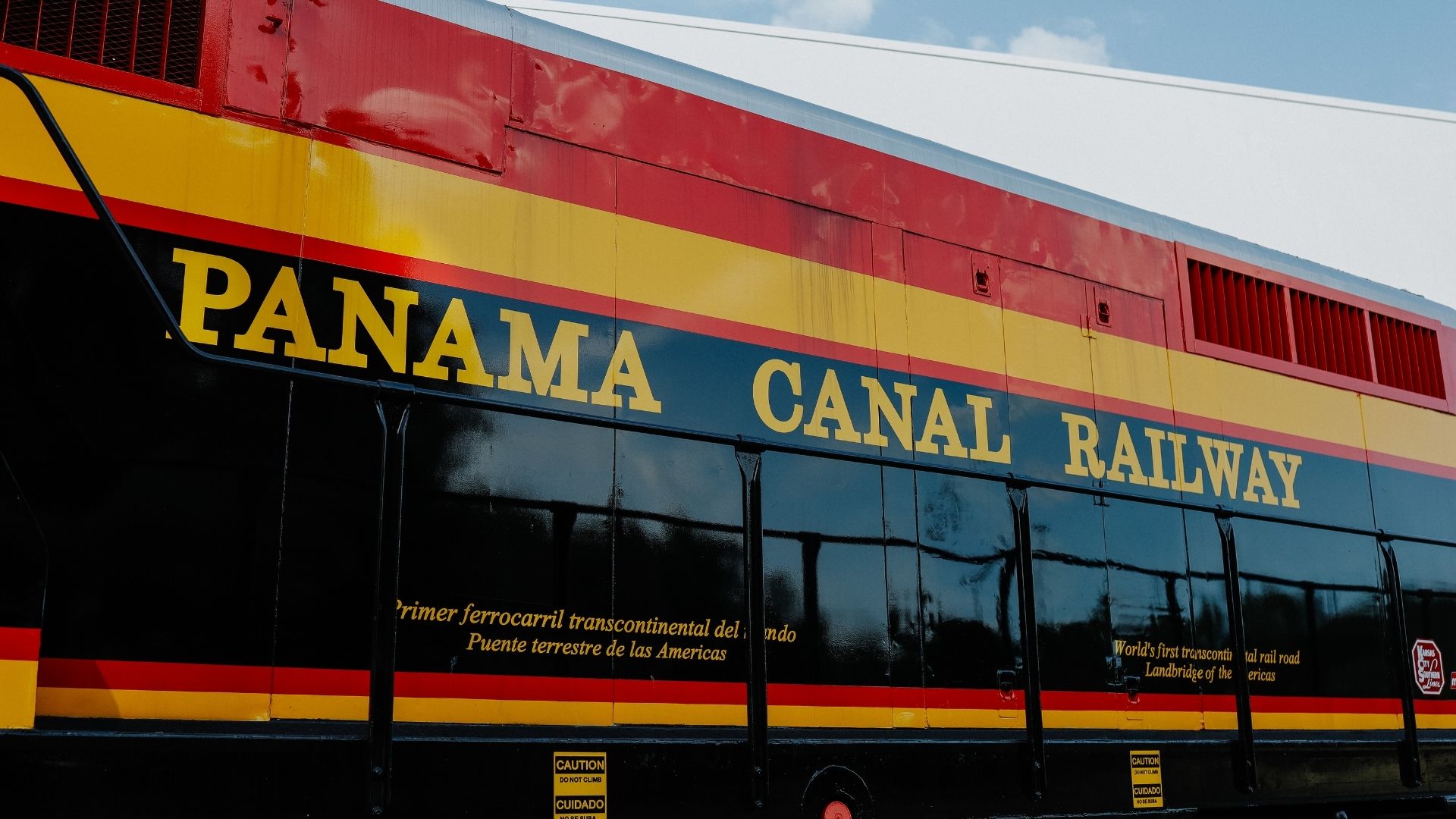
At the CMA Shipping Conference & Expo 2026, the Panama Canal Authority announced key strategic directions for the coming years.
The Vision 2035 strategy is not only aimed at enhancing the Canal’s operational capacity, but also at building a broader logistics and economic ecosystem.
This marks an important transition, signaling Panama’s evolution from a transit route into a global logistics hub with influence over international trade flows.
Vision 2035: From a canal to an integrated logistics cosystem
According to Canal leadership, the Vision 2035 strategy focuses on:
- Expanding cargo transportation and handling capacity
- Developing supporting infrastructure beyond the Canal
- Strengthening Panama’s role as a global transshipment hub
A key highlight is the development of new container terminals, reinforcing Panama’s position as a logistics gateway between the Atlantic and Pacific oceans.
In addition, the strategy aims to diversify transportation methods. Rather than relying solely on the Canal, Panama is gradually building interconnected logistics corridors, expanding its regional cargo distribution capabilities.
This reflects a significant shift: from a single transit route to a multi-layered logistics system capable of adapting to evolving global trade dynamics.
Addressing the core constraint: Water resources and operational capacity
One of the most critical challenges facing the Panama Canal in recent years has been water availability, a key factor determining the operation of its lock system.
To address this, the Río Indio reservoir project is being developed to:
- Increase water storage capacity
- Improve long-term operational stability
- Enhance resilience to climate change
This is not merely an infrastructure project, but a strategic initiative. The Canal’s operational stability directly impacts not only Panama’s economy, but also global trade flows.
By investing in fundamental resources such as water, Panama is clearly positioning itself to maintain sustainable transshipment capacity over the long term.
Growth rerformance: Positive Signals from the Market
Recent data indicates that the Canal continues to demonstrate stable growth:
- Revenue has increased by approximately 8–10% year-on-year
- Vessel traffic and cargo volumes are both on the rise
These figures reflect two important trends.
First, global shipping demand remains strong despite geopolitical tensions and supply chain disruptions.
Second, the Panama Canal continues to play a critical role in connecting major trade routes, particularly between the Americas and Asia.
This suggests that Panama is not only maintaining its position, but also strengthening its role as global trade continues to restructure.
From strategic infrastructure to a trade-driven service economy
The value of the Panama Canal extends far beyond transit fees. It generates a broad economic spillover effect across multiple sectors.
An entire economic ecosystem has developed around the Canal, including:
- Port systems and logistics hubs
- The Colón Free Trade Zone — one of the largest in the Americas
- Financial and banking services supporting global capital flows
- Insurance and maritime services
As international cargo continues to pass through Panama, the country accumulates stable foreign currency inflows and builds a highly open economy.
Importantly, Panama’s use of the U.S. dollar eliminates currency risk, providing a stable environment for cross-border investment and transactions.
As a result, Panama is no longer just a transit route, but a service-based economy closely tied to global trade flows.
Panama in global asset allocation strategies
In an increasingly fragmented and uncertain global environment, investment strategies are shifting toward:
- Geographic diversification
- Seeking stable jurisdictions
- Prioritizing economies with strong foreign currency flows
Panama’s relevance in this context does not stem from the size of its domestic market, but from its role as an intermediary in global trade and capital flows.
This creates several distinctive advantages:
- Asset value linked to international economic activity
- Growing demand for accommodation and services driven by business and professional mobility
- The ability to attract consistent foreign capital over the long term
In this regard, Panama shares similarities with global hubs such as Singapore and Dubai, where economic value is built on strategic positioning within global systems rather than domestic consumption alone.
Over the long term, as global trade routes become increasingly sensitive to geopolitical factors, countries with strategic locations and irreplaceable infrastructure — such as Panama — will continue to play a key role in wealth preservation and global asset allocation strategies.
Conclusion
The latest developments in the Panama Canal’s long-term strategy highlight a clear trend:
Panama is evolving from a transit route into a globally relevant economic hub.
In this context, the country is no longer just a passage for goods, but an increasingly important component in modern investors’ global asset allocation strategies.