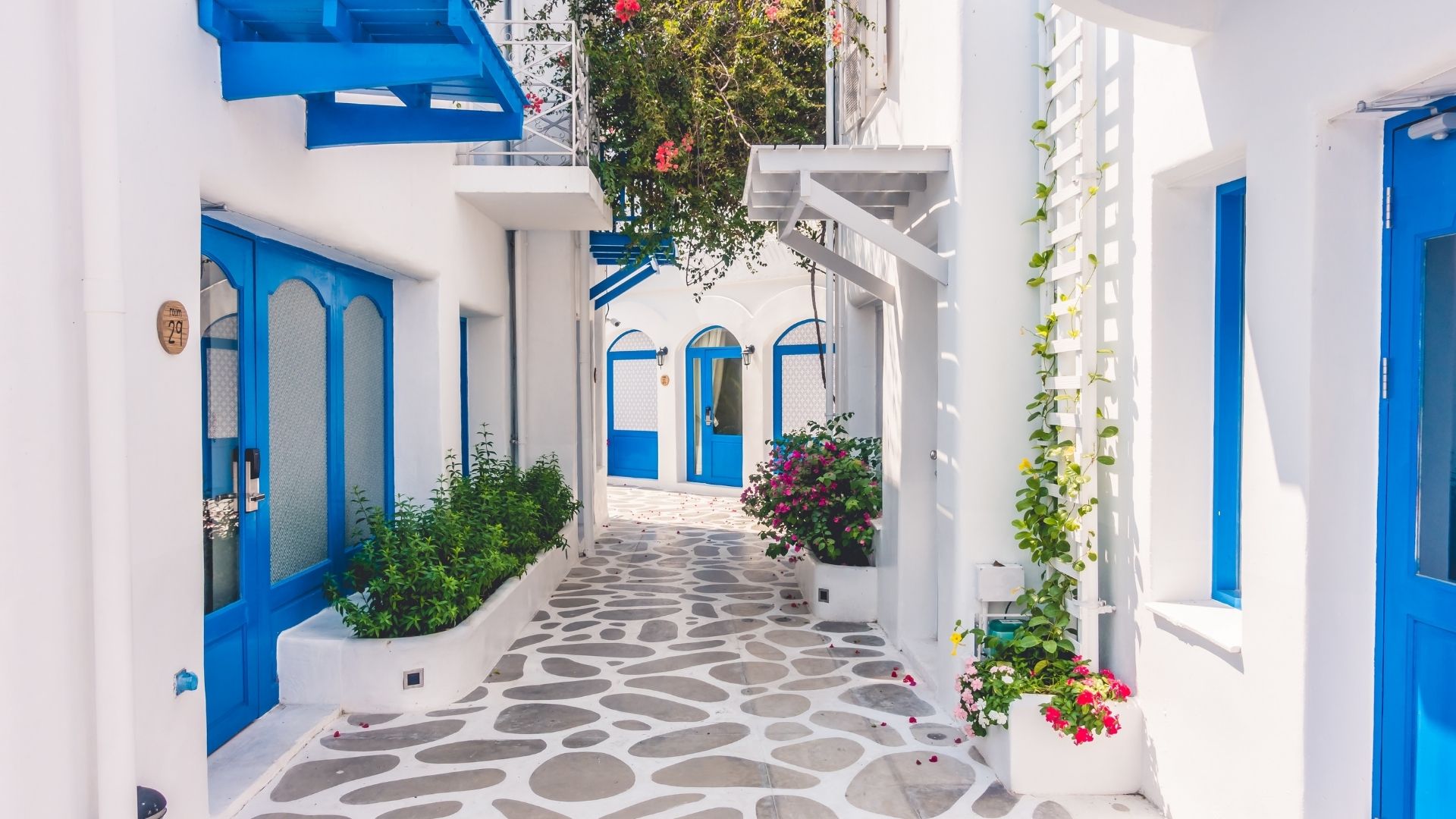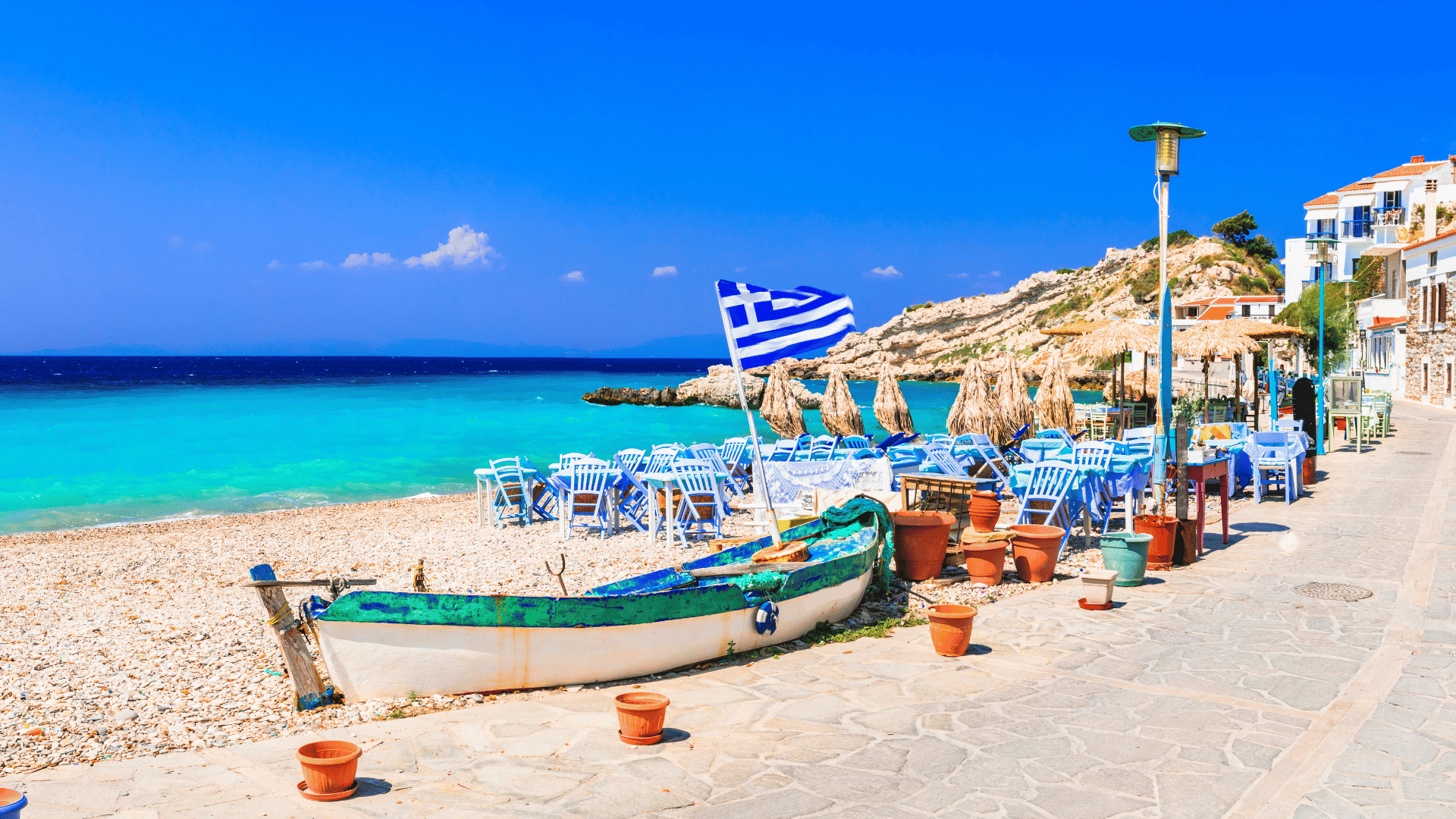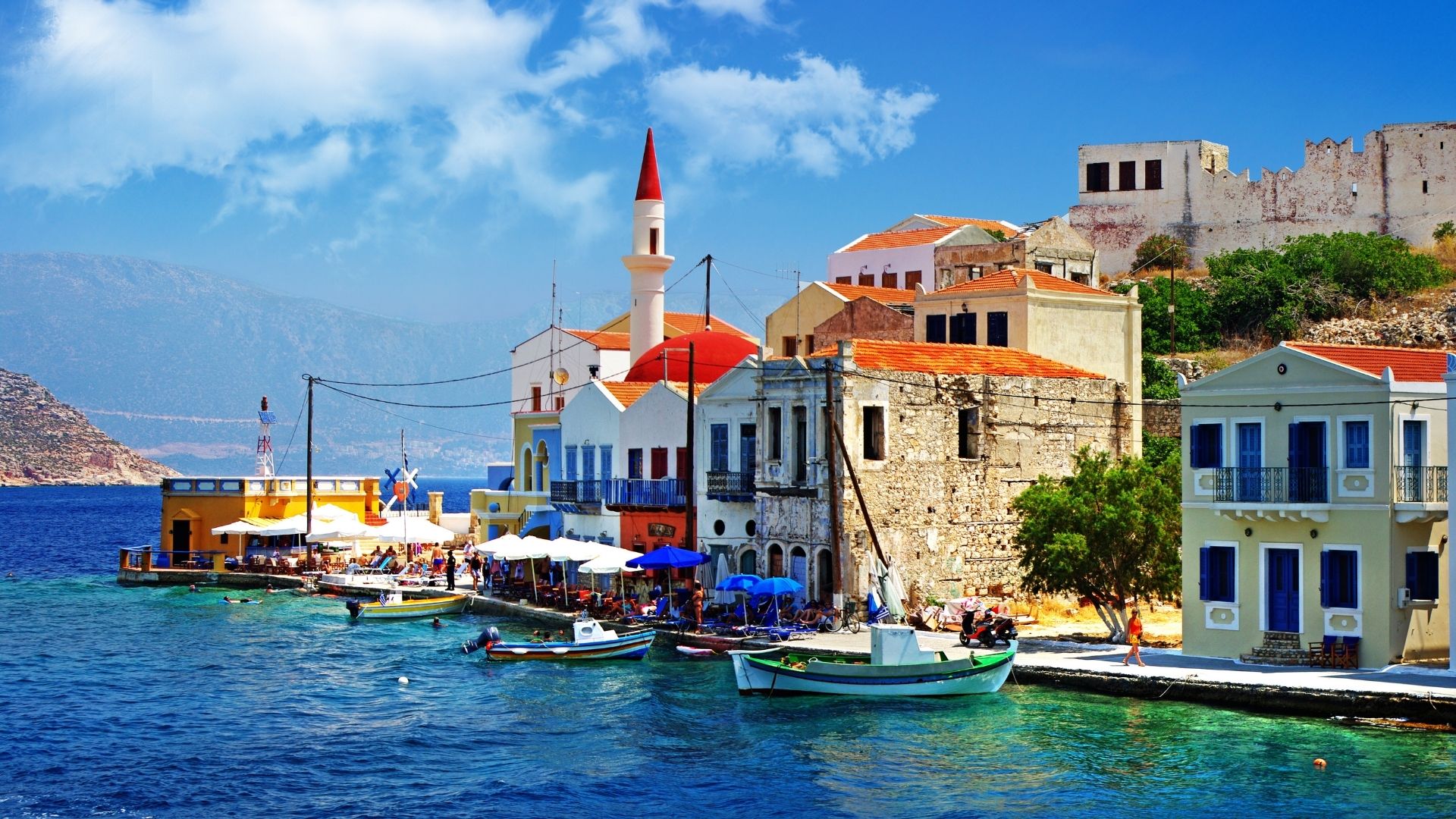
Over the past few years, Greece has quietly transitioned from a recovering market into one of the most compelling real estate investment destinations in Europe. Entering 2025–2026, this momentum is no longer speculative—it is supported by sustained price growth, strong rental demand, and continued inflows of international capital.
For investors seeking a combination of capital appreciation, income stability, and European residency exposure, Greece is increasingly positioned as a strategic allocation rather than a tactical opportunity.
A market moving from recovery to sustainable growth
Following a prolonged period of correction after the sovereign debt crisis, the Greek real estate market has entered a new phase characterized by structural growth rather than cyclical rebound.
Recent data indicates that property prices across Greece have continued to rise at a steady pace, with annual growth ranging between approximately 7% and 10% in 2025. This upward trajectory has been consistent since 2018, signaling a multi-year recovery that has now evolved into a more mature growth cycle.
Athens, as the economic and administrative center, remains the anchor of this growth. However, what is particularly notable is the broadening of demand beyond the city core. Both domestic buyers and international investors are actively targeting emerging districts, driven by affordability gaps and future appreciation potential.
At the same time, rental demand has remained robust, supported by a combination of tourism, international professionals, and a growing base of expatriates. This dual dynamic—rising prices alongside strong rental fundamentals—places Greece in a favorable position compared to many European markets that are experiencing stagnation or affordability constraints.

Piraeus: From port city to investment hotspot
Within the Athens metropolitan area, Piraeus has emerged as one of the most dynamic and strategically positioned submarkets. Historically known as Greece’s largest port and a key logistics hub, Piraeus is now undergoing a significant transformation driven by infrastructure upgrades, urban regeneration, and increased economic activity.
Recent market observations show that Piraeus has climbed rapidly in investor interest rankings, becoming one of the top areas in terms of both purchase demand and rental activity. This shift is not coincidental. It reflects a convergence of structural factors:
First, Piraeus benefits from its role as a major maritime gateway, connecting Greece with international trade routes. This ensures a consistent flow of economic activity and employment demand, which directly supports the rental market.
Second, large-scale redevelopment initiatives are reshaping the urban landscape. Former industrial buildings, warehouses, and outdated office spaces are being converted into modern residential units. This transformation is creating a new supply of housing that aligns with current market expectations while maintaining a pricing advantage compared to central Athens.
Third, the price gap between Piraeus and prime Athens districts remains significant. This creates a compelling entry point for investors, particularly those seeking higher growth potential. In certain redevelopment zones, property values have recorded double-digit increases, with some areas experiencing annual growth of up to 20% or more.
Taken together, these factors position Piraeus as a classic “growth zone”—a market where capital appreciation potential is supported by real economic activity rather than speculation alone.
The role of policy: A time-sensitive advantage
One of the most critical drivers of investment activity in Greece today is policy. In particular, the temporary exemption of the 24% VAT on new-build properties, extended until the end of 2026, has significantly altered the investment equation.
Under normal circumstances, VAT would represent a substantial additional cost, materially increasing the total capital required for acquisition. Its removal effectively lowers the entry price by nearly a quarter for new developments, creating an immediate advantage for investors entering the market during this window.
This policy does more than reduce upfront costs. It enhances yield potential, improves capital efficiency, and makes new-build properties—typically more attractive for tenants and future resale—far more accessible.
As a result, the current period represents a distinct phase in the market cycle, where regulatory support aligns with macroeconomic recovery and strong demand fundamentals.
Keranis Residences: Capturing the upside of urban transformation
Within this broader context, Keranis Residences stands out as a project that directly aligns with the key drivers of the Greek real estate market.
Located in Piraeus, the development is part of a wider urban regeneration trend, transforming a historic industrial complex into a modern residential community. This approach is increasingly favored in European cities, where redevelopment projects often deliver both value appreciation and strong tenant demand.
Keranis Residences offers a total of 408 units, ranging from studios to two-bedroom apartments, designed to meet the needs of both end-users and rental investors. Its pricing structure, starting from the €250,000 threshold, also makes it eligible for the Greece Golden Visa program, adding an additional layer of strategic value.
From an investment perspective, the project benefits from multiple converging factors. Its location within Piraeus provides exposure to one of the fastest-growing submarkets in Athens. Its positioning as a newly redeveloped asset aligns with tenant preferences for modern, well-designed living spaces. And its timing—within the VAT exemption period—enhances overall financial efficiency.
These elements combine to create a profile that is not only attractive in the current market environment but also resilient over the long term.

Conclusion: A convergence of timing, location, and policy
The Greek real estate market in 2025–2026 presents a rare alignment of favorable conditions. Sustained price growth, strong rental demand, and supportive government policies have collectively positioned the market as one of the most compelling opportunities in Europe today.
Within this landscape, Piraeus stands out as a high-potential submarket, offering both accessibility and growth. Projects such as Keranis Residences, which are directly embedded in this transformation, provide investors with a clear pathway to participate in the upside of Greece’s next growth phase.
For investors evaluating international real estate allocations, the current window is defined not only by opportunity, but by timing.