As we enter 2026, the global tourism landscape is gradually stabilizing after a period of volatility. Within this context, Panama is emerging as a notable bright spot in the Americas.
According to official data, the country surpassed 3 million international visitors in 2025, marking a significant milestone, not only in scale, but also in the quality of tourism growth.
Importantly, this is no longer a post-pandemic recovery story, but rather a reflection of more sustainable and structurally driven growth.
Improved visitor quality
One of the key highlights of 2025 is the shift in the quality of tourism demand.
- Overnight stays increased significantly
- Average length of stay extended
- Total tourism revenue reached approximately USD 6.5 billion
These indicators show that Panama is not only attracting more visitors, but also higher-spending travelers with real accommodation demand. This forms a strong foundation for the long-term development of the hospitality and serviced real estate sectors.
As stays become longer, demand for high-quality accommodation, such as international hotels and serviced apartments, continues to rise.
Entering a new growth phase in tourism
While previous years were characterized by recovery, 2025 marks a transition toward sustained growth.
Visitor sources are becoming increasingly diversified, including arrivals by air, cruise ships, and land routes.
At the same time, Panama is repositioning itself, not just as a leisure destination, but also as a hub for conferences, events, and business tourism (MICE).
This shift reduces seasonality and creates more stable, year-round demand, a critical factor for investors in the hospitality sector.

A unique economic ecosystem supporting tourism
Panama’s tourism growth is closely linked to its unique economic foundation. With its strategic location connecting the Atlantic and Pacific Oceans—and the global trade role of the Panama Canal—the country sits at the intersection of goods, capital, and international mobility.
This convergence generates sustained accommodation demand not only from tourists, but also from business travelers, professionals, and international organizations.
As a result, Panama’s accommodation market benefits from a more stable demand base, compared to destinations purely reliant on leisure tourism.
From tourism growth to real estate opportunities
In many markets, tourism acts as an early indicator of growth in serviced real estate.
As visitor numbers rise and stays lengthen, demand for:
- Hotels
- Serviced apartments
- Premium accommodation models
increases accordingly.
This not only supports asset value appreciation but also creates stable operational cash flow—a key factor for long-term investors.
In Panama, the combination of tourism growth and business travel further strengthens the sustainability of this segment.
Specific opportunities in Panama City
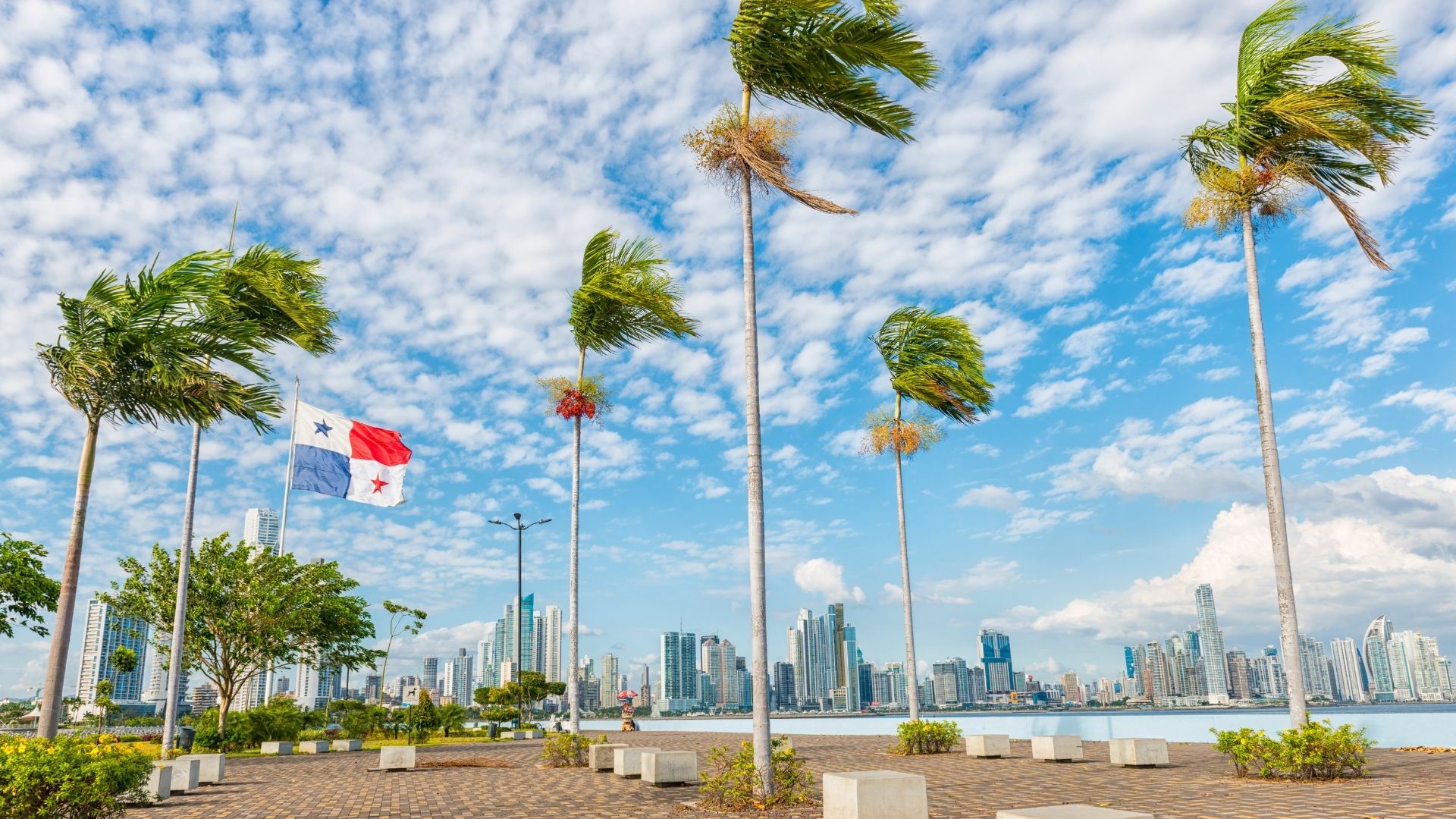
In Panama City, the country’s financial and tourism hub, these trends are clearly reflected in real estate developments tied to international demand.
International-standard hospitality assets such as Pullman Hotel & Casino (by Accor) benefit directly from the growth of business and MICE travelers, generating income through real operational performance.
At the same time, high-end residential developments in central locations, particularly well-planned high-rise projects, are meeting the needs of international professionals and global residents. This segment offers both rental income potential and long-term ownership value.
Combining investment and residency: Panama’s unique advantage
A notable advantage of Panama is the integration of real estate investment with residency benefits.
With an investment starting from USD 300,000, investors can both acquire assets in a growing market and qualify for permanent residency for the entire family.
At a time when many countries are tightening immigration policies, this represents a clear competitive advantage, especially for investors seeking flexibility in their global asset strategies.
Conclusion: Tourism as a leading indicator of investment cycles
Panama surpassing 3 million international visitors is more than a statistical milestone, it signals the emergence of a new growth cycle.
As tourism, trade, and finance develop simultaneously on a stable foundation, assets linked to international cash flows, particularly in hospitality and serviced real estate, are likely to offer strong long-term growth potential.
In this context, Panama is gradually positioning itself not only as a tourism destination, but as a strategic hub for global investment.