The Government of Panama has successfully completed its second treasury bill auction of 2026, raising over USD 240 million, according to the Ministry of Economy and Finance.
This result highlights steady demand from investors for the country’s debt instruments and reflects continued market confidence in Panama’s economy, despite ongoing volatility in the global financial environment.
The auction is part of the government’s short-term debt issuance program aimed at managing cash flow and supporting public financial operations. Strong participation from investors indicates that Panama continues to maintain reliable access to capital markets.
Treasury bills and their role in public financial management
Treasury bills are a key financial instrument used by governments worldwide to manage liquidity and balance short-term budgets. These instruments are typically issued through periodic auctions, where banks and institutional investors purchase bonds at market-determined yields.
For Panama, treasury bill auctions play an important role in:
- Efficiently managing government cash flow
- Maintaining liquidity within the financial system
- Strengthening participation in the domestic capital market
- Attracting institutional investors
The successful raising of over USD 240 million in the latest auction underscores sustained market confidence in Panama’s financial system and economic outlook.
Panama: A financial and logistics hub in the Americas
Beyond its stable financial system, Panama is widely recognized as one of the key trade and logistics hubs in Latin America.
Several factors contribute to its attractiveness:
- A financial system linked to the US dollar (USD), reducing currency risk
- An open and investor-friendly business environment
- A well-developed banking and financial services sector
- Leading logistics infrastructure in the region
These advantages have positioned Panama as a destination for international capital flows across sectors such as logistics, trade, real estate, and finance.
The strategic role of the Panama canal
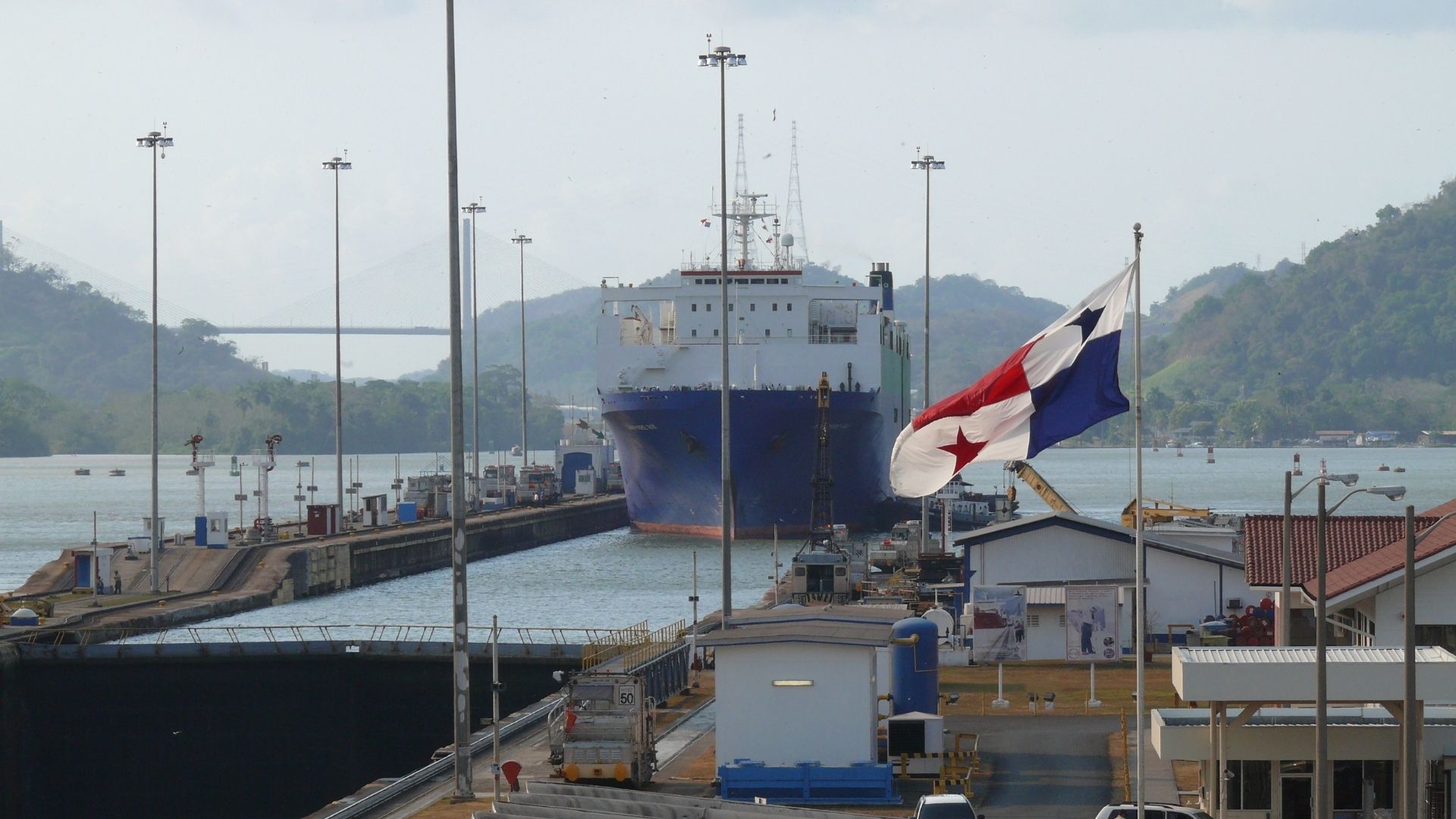
A cornerstone of Panama’s economic strength is the Panama Canal, a critical maritime route connecting the Atlantic and Pacific Oceans.
Each year, the canal handles approximately 5% of global maritime trade, with hundreds of millions of tons of cargo transported between the two oceans. Since its expansion in 2016, the canal can accommodate larger Neopanamax vessels, significantly increasing capacity for container shipping, energy transport, and bulk cargo.
The presence of this strategic waterway has fostered the development of an entire economic ecosystem around it, including:
- International seaports
- Free trade zones
- Warehousing and logistics networks
- Trade-related financial services
As a result, Panama has evolved beyond a transit point into a major commercial and financial hub in the Americas.
A positive signal for the investment environment
Amid ongoing global challenges—including interest rate volatility, geopolitical tensions, and supply chain restructuring—economies with strong financial foundations are attracting increasing attention from international investors.
Panama’s continued success in raising capital through treasury bill auctions reflects market confidence in its fiscal management and economic prospects.
Combined with its strategic role in global trade, USD-based financial system, and investor-friendly environment, Panama is further solidifying its position as a key economic and logistics hub in the Americas over the long term.